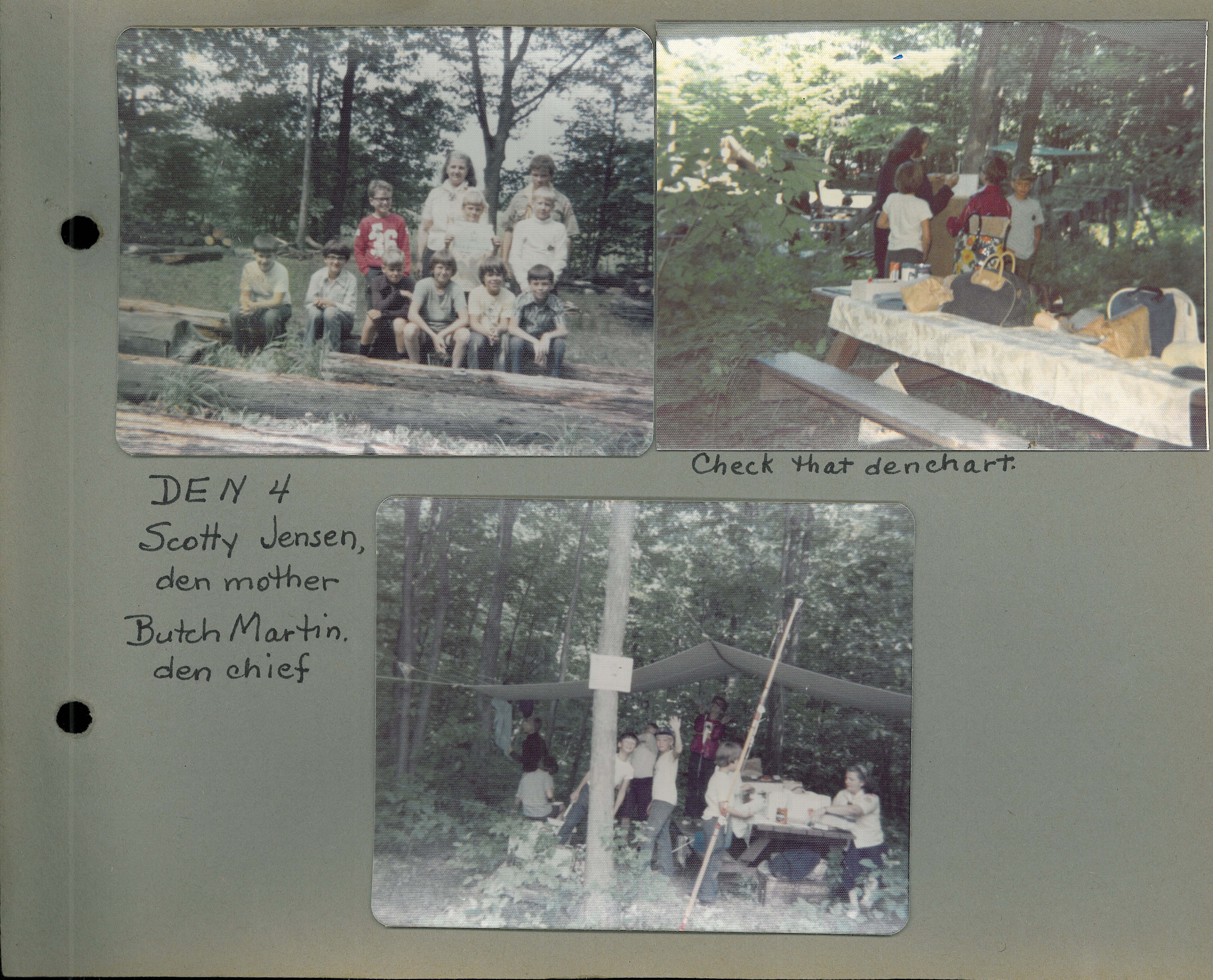
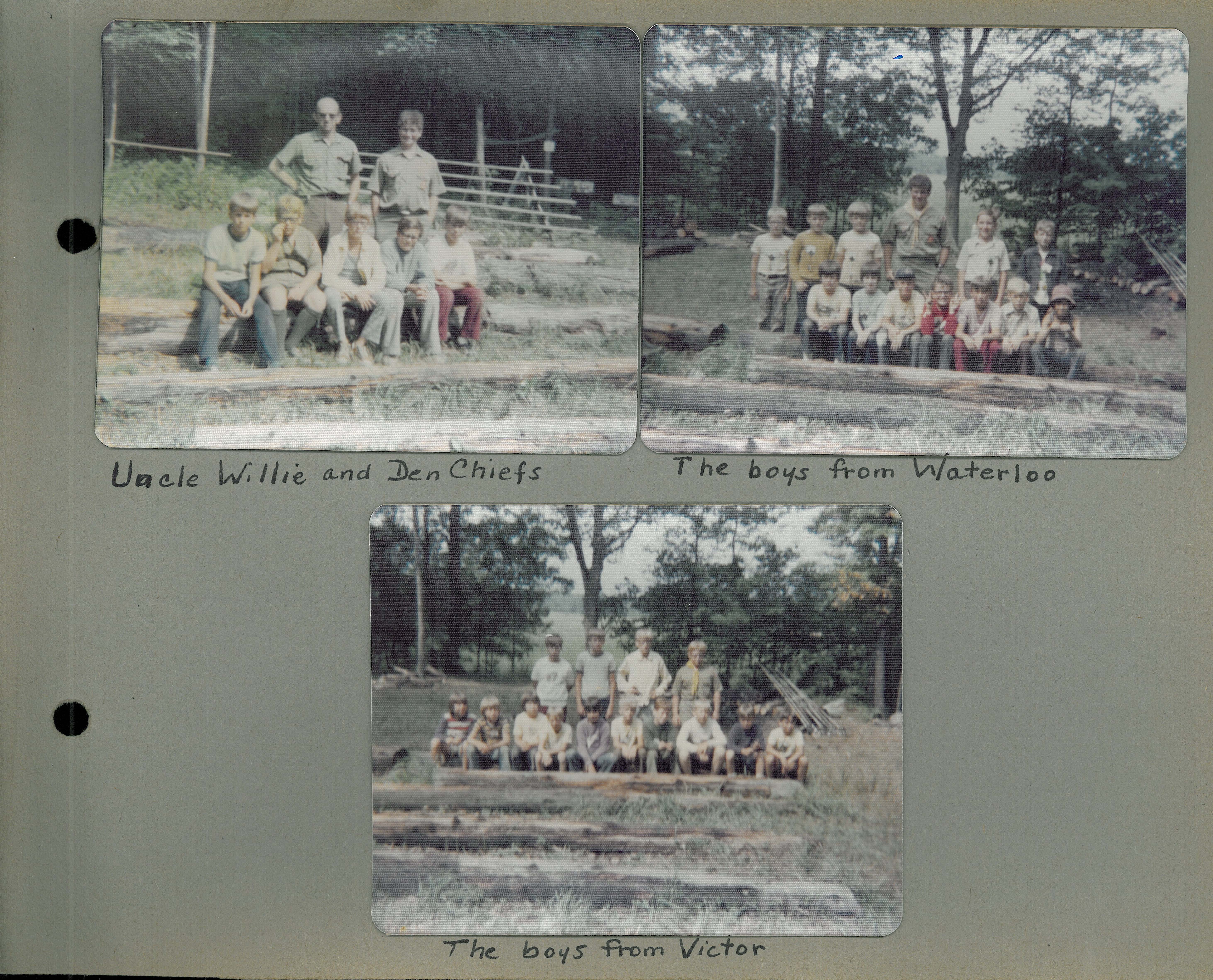
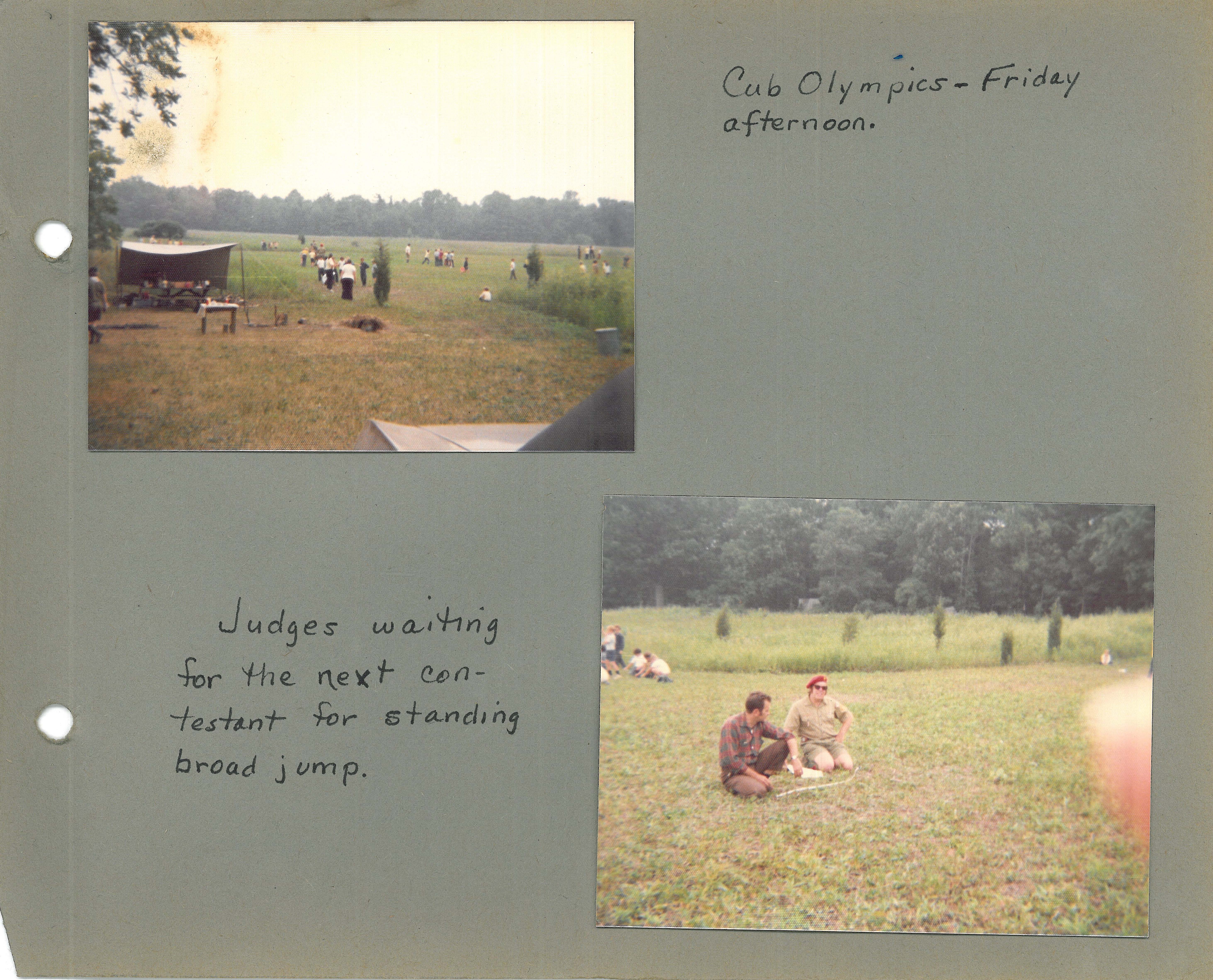
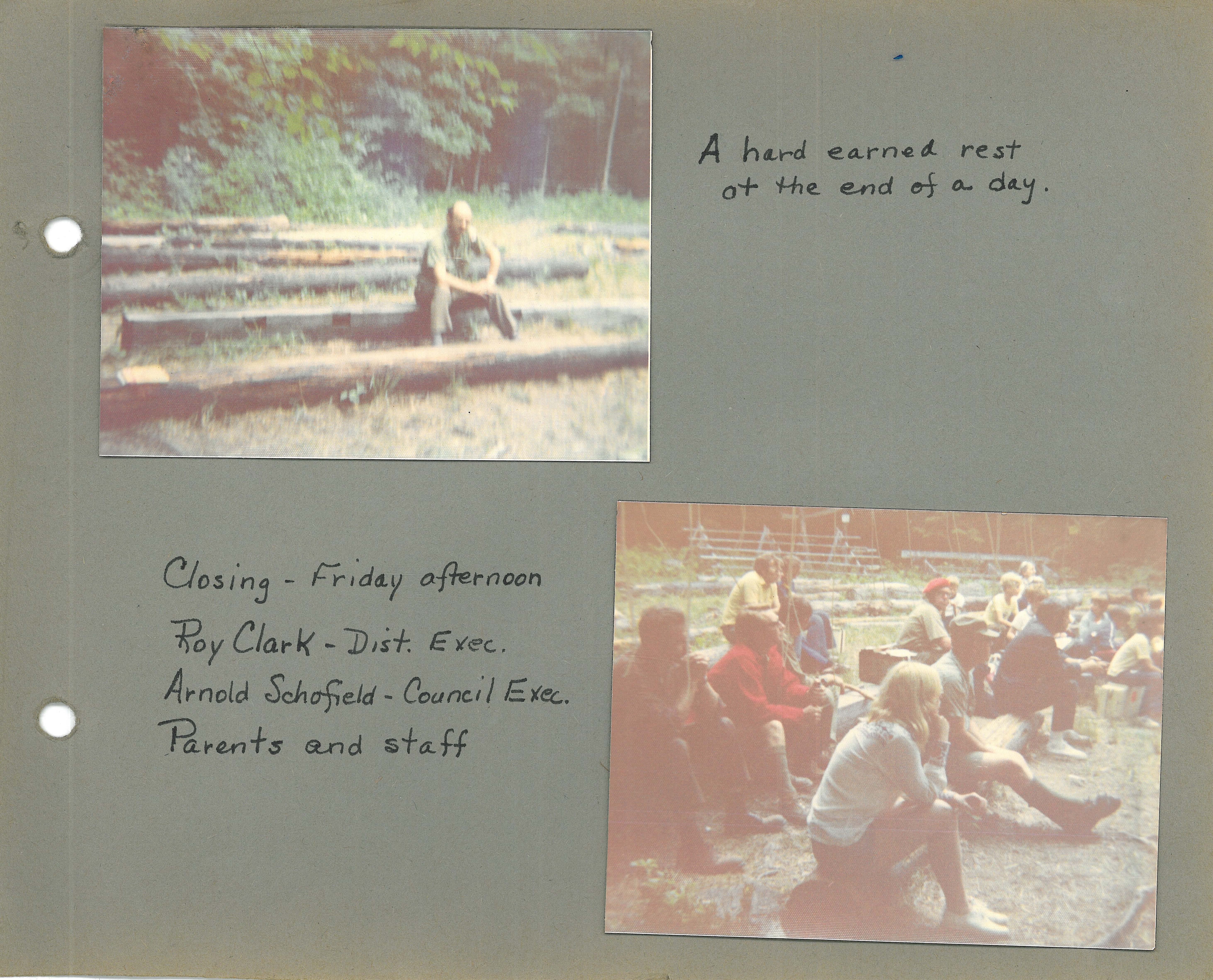
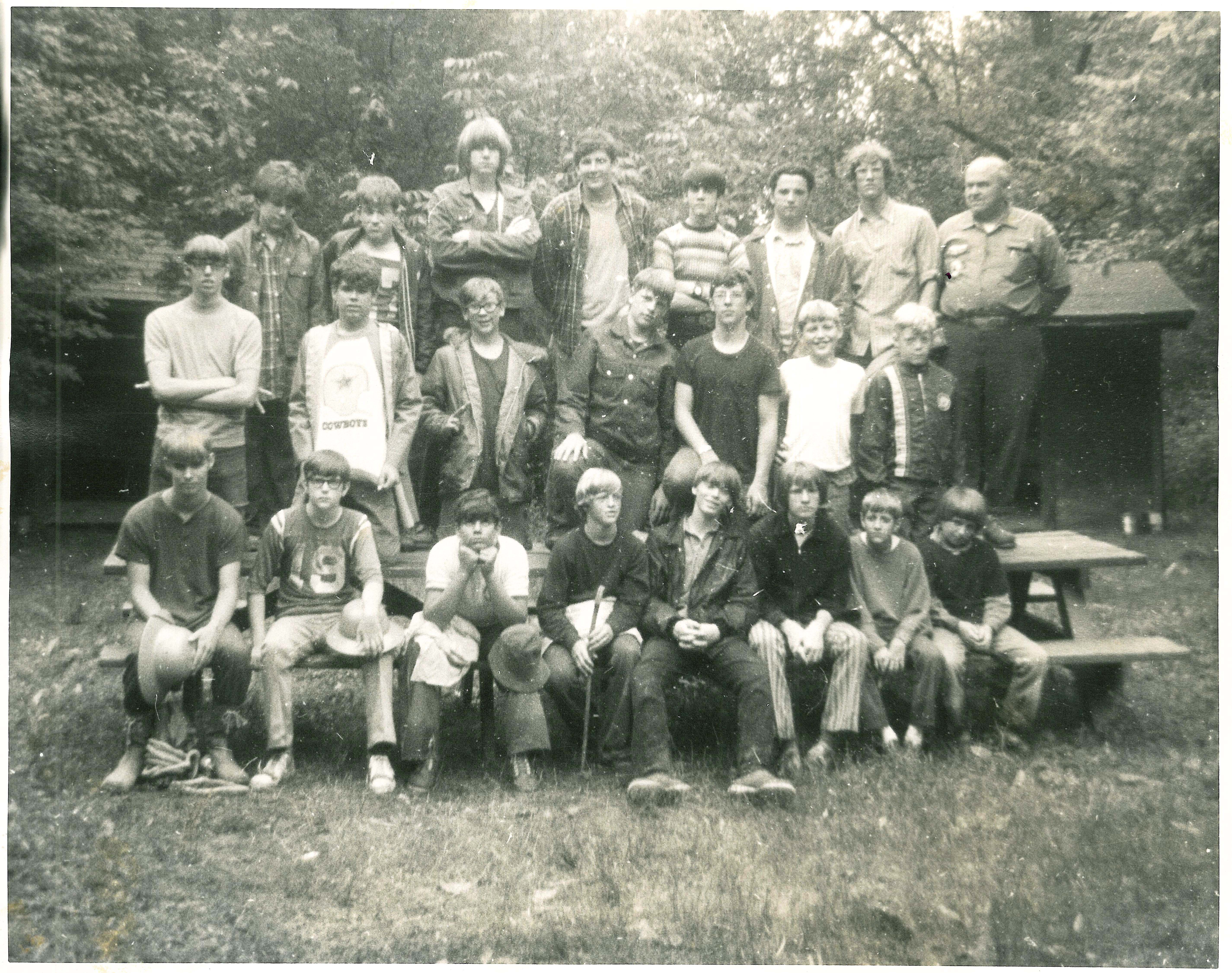
#47) Yolanda Schofield

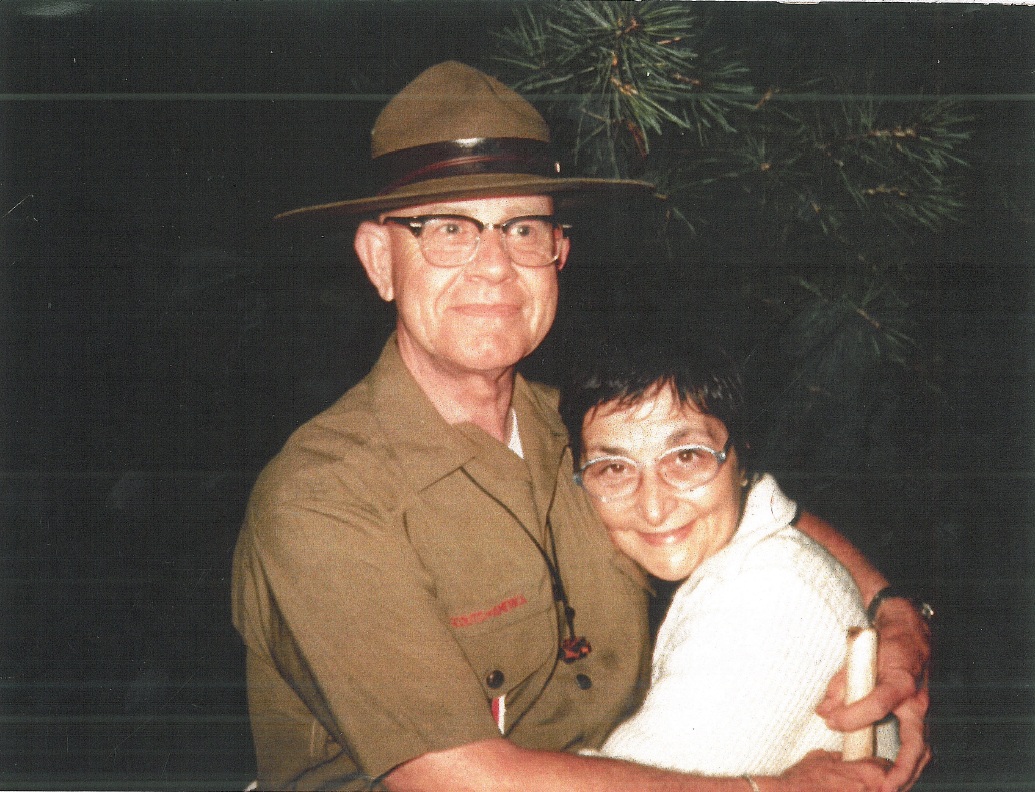
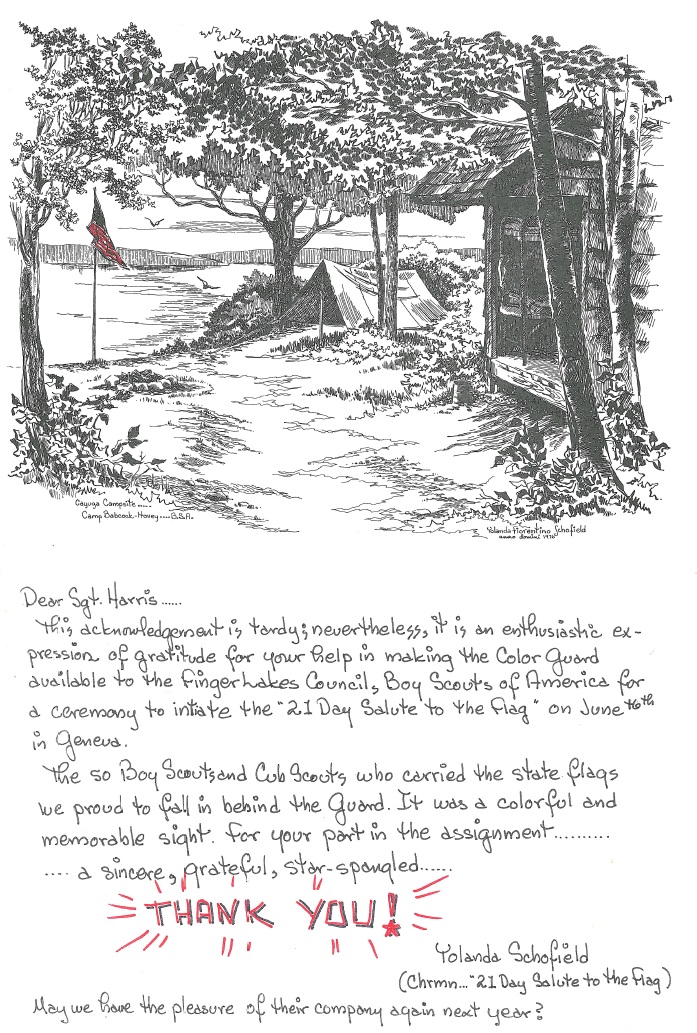
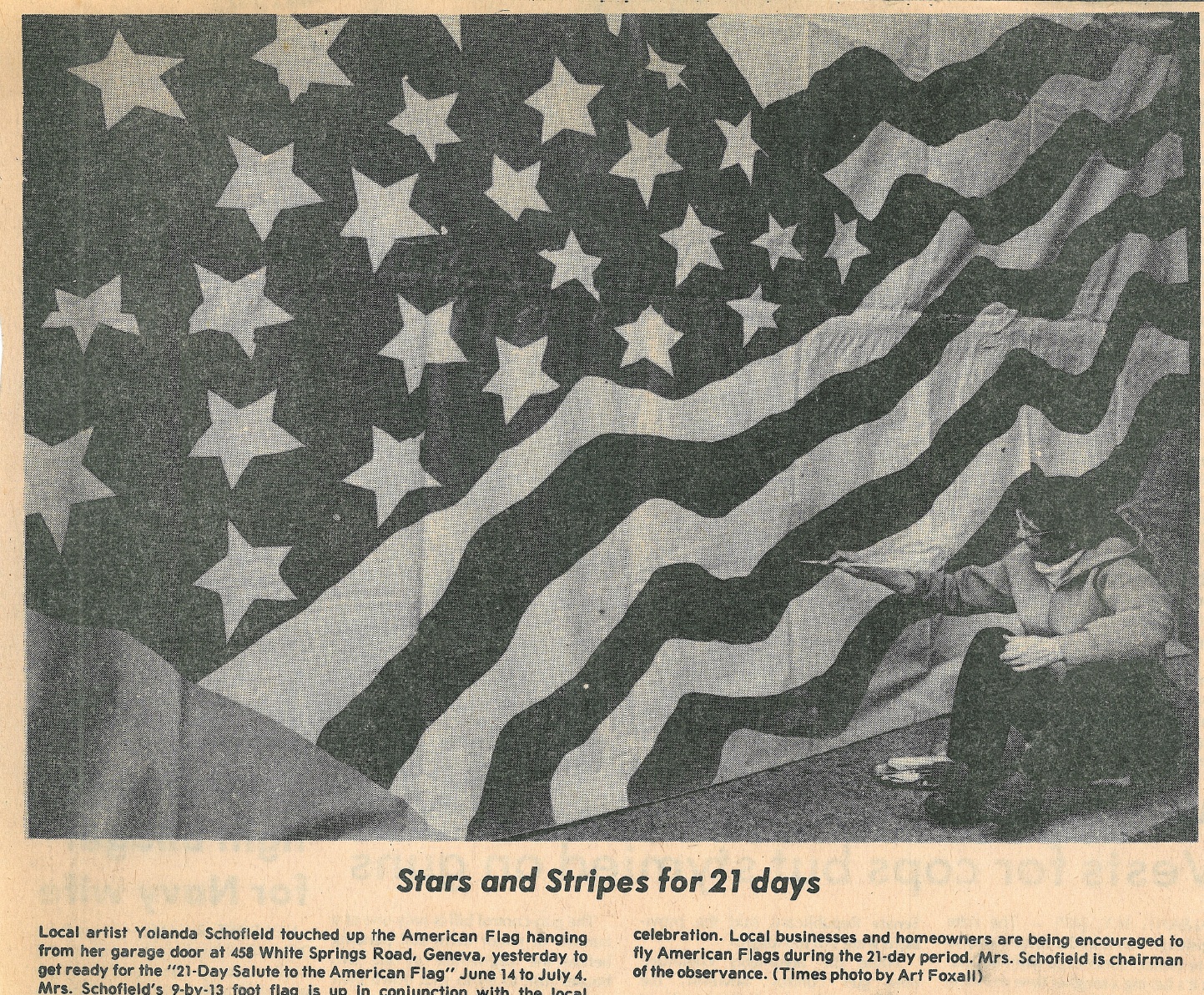
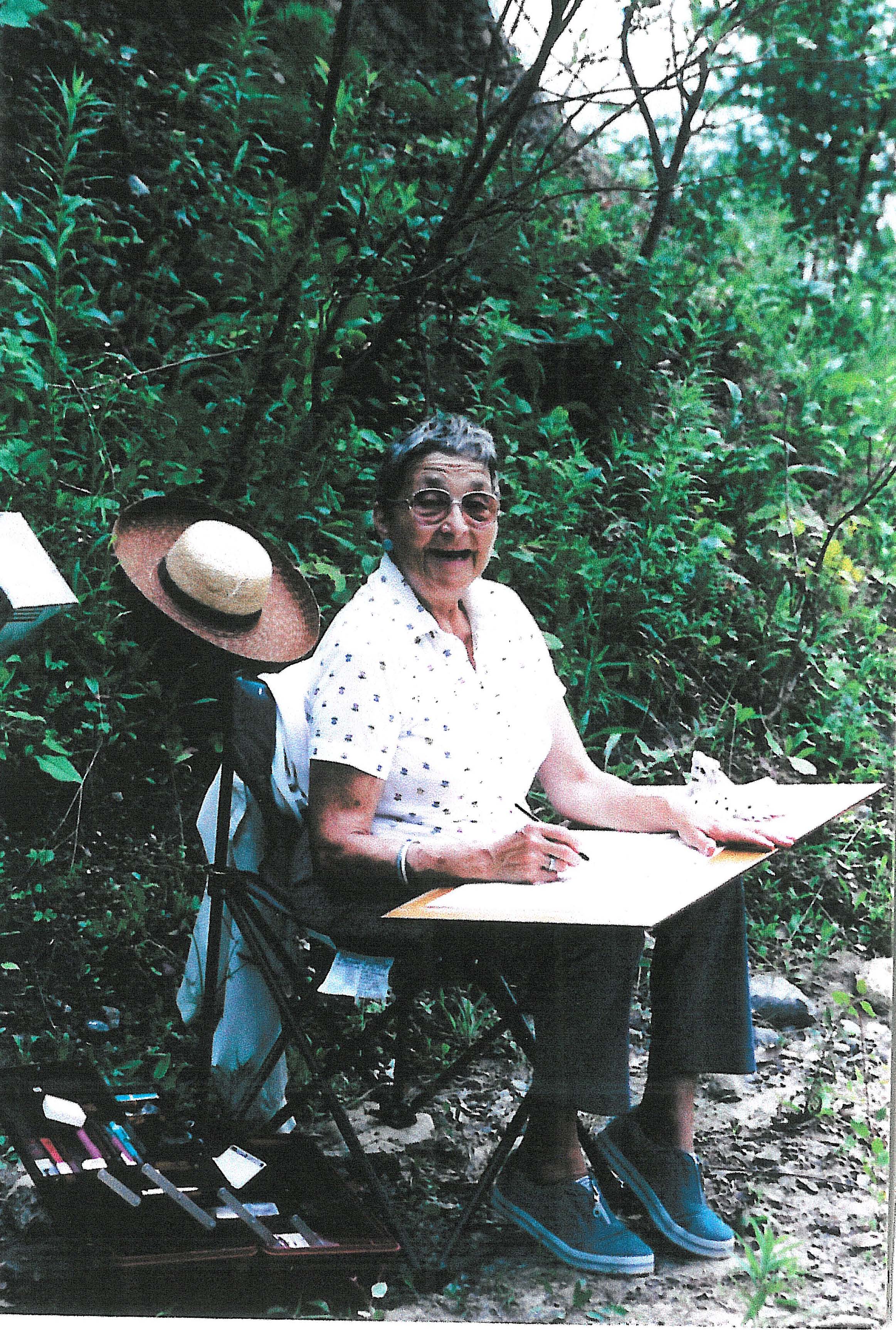
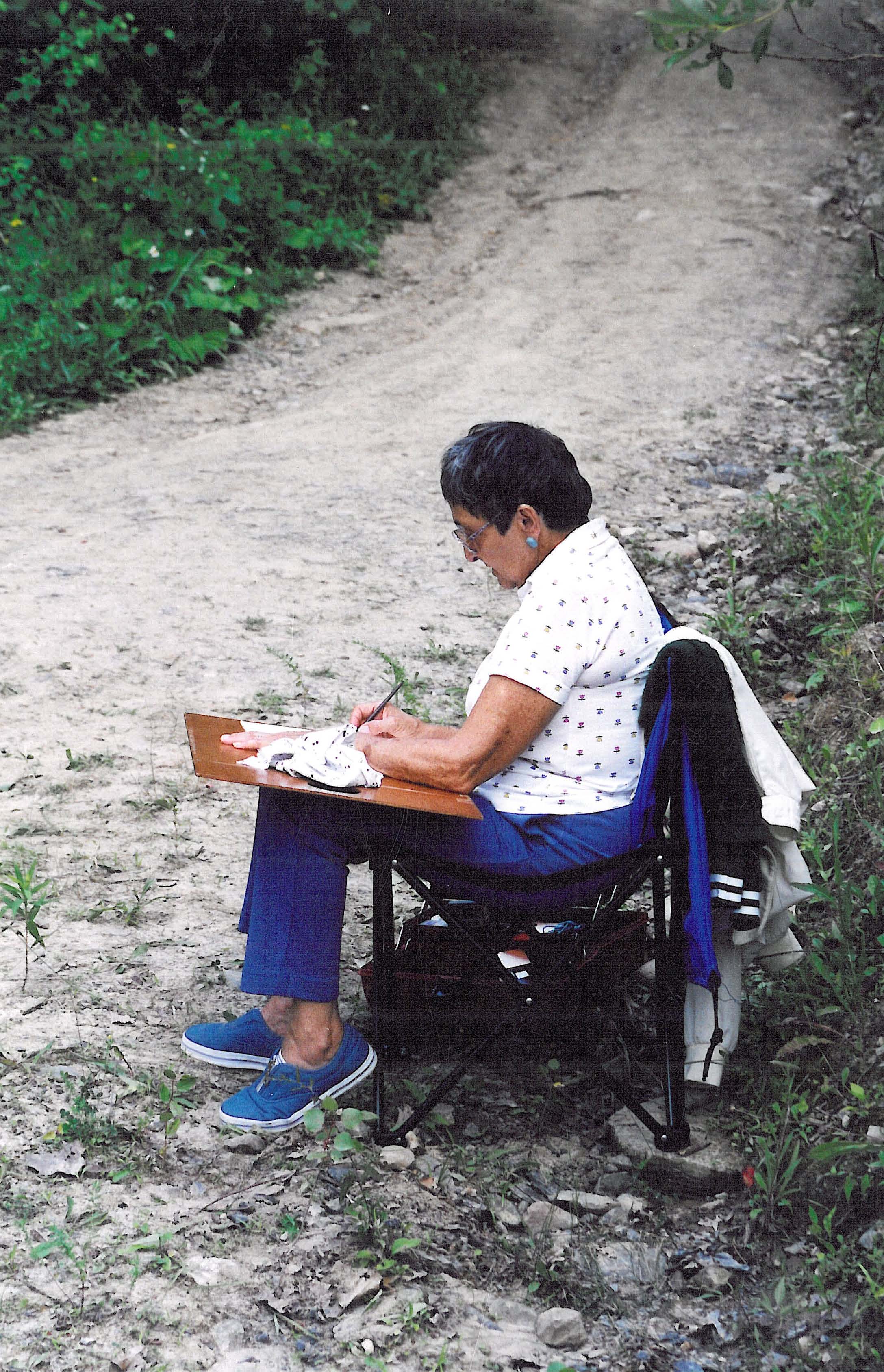
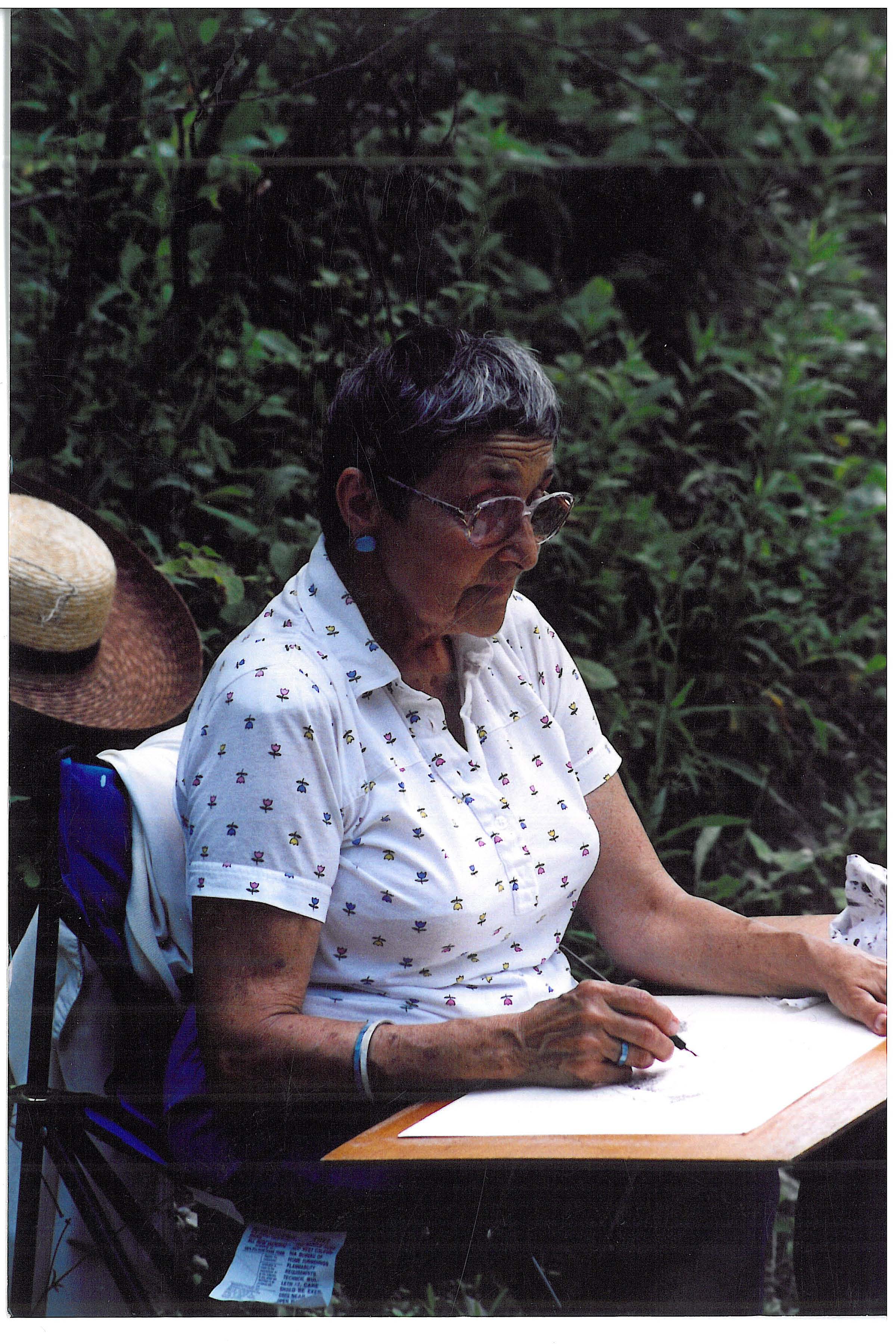
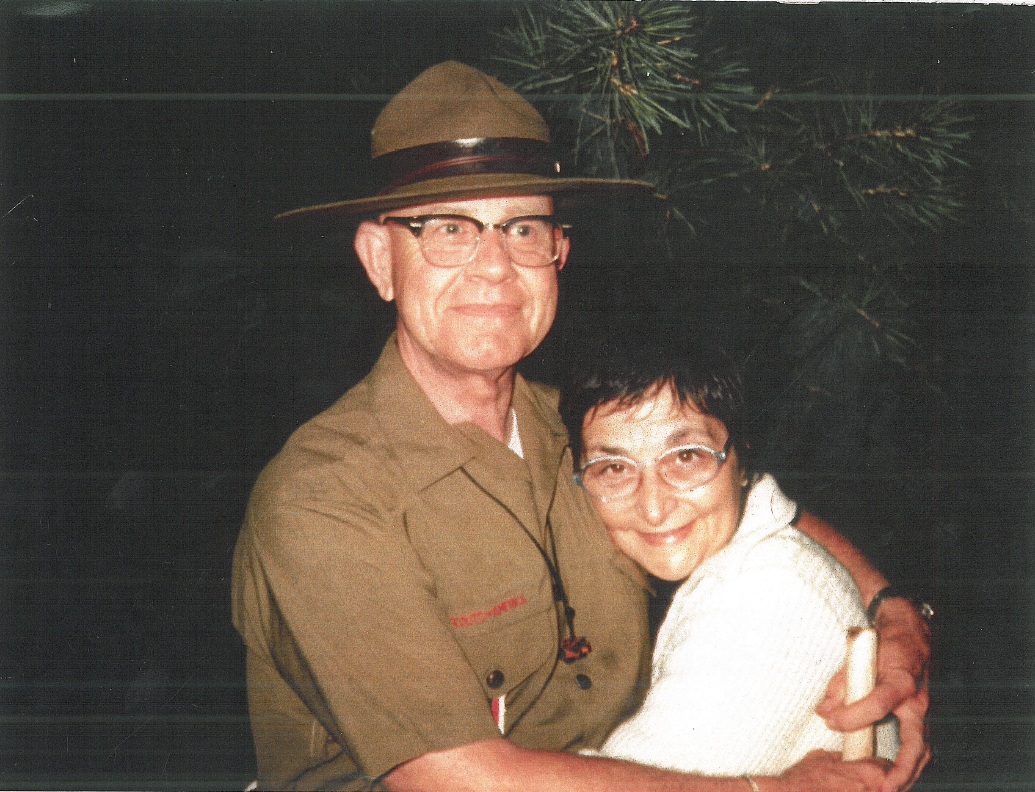
Yolanda Fiorentino Schofield, the wife of Arnold Schofield, was a graphic artist who worked primarily in pen and ink, and focused on historical landmarks. In the Romantic manner of Gianbatista Piranesi, 18th Century Italian Artist and engraver, she strived to create an awareness of and an appreciation for the legacy that these landmarks represent.

Born in 1922 and raised in the Boston area, she and he husband lived most of their married life in Geneva. It was here in the Finger Lakes area that Yolanda was inspired to create the pen and ink drawings of the historic landmarks that she so admired. Yolanda also lived in Verona, Italy, Germany, and Palm Bay Florida. As a young student she studied at the Museum of the Fine Arts in Boston, and later graduated from Boston University. Subsequently she enjoyed a successful career as a display artist and commercial decorator in Boston, Hartford and New York City. In Geneva, from 1975 until 1993, her drawings appeared in the Finger Lakes Times in a series entitled “Landmarks-Our Heritage“, raising public awareness of the historic legacy of the Finger Lakes Region.

Yolanda was a member of the Strawbridge Art League of Melbourne and the Brevard Historical Society. She taught in the Massachusetts and New York School System. Yolanda has exhibited at the Worchester Art Museum, the University of Massachusetts and is represented in private collections and institutions in New York State. She was commissioned to do the pen and ink history of the Erie Canal. Yolanda was released to the Lord on September 19, 2011.

From 1976 until 2008, Yolanda commissioned a series of 12 pen and ink drawings of Camp Babcock-Hovey, plus a rendering of the “New“ Scout Office in Geneva when it opened in 1987. These drawings are some of my the most cherished items of our camps history. Yolanda donated all the original drawings of Camp Babcock-Hovey to the Boy Scouts of America. They are currently housed in the conference room of the Sprague Service Center in Geneva.

This slideshow requires JavaScript.

Posted in Historic | 1 Comment

Whatisit Wed?

Posted in Historic, Whatisit Wednesdays? | Leave a comment

#46) Arnold Schofield

This slideshow requires JavaScript.

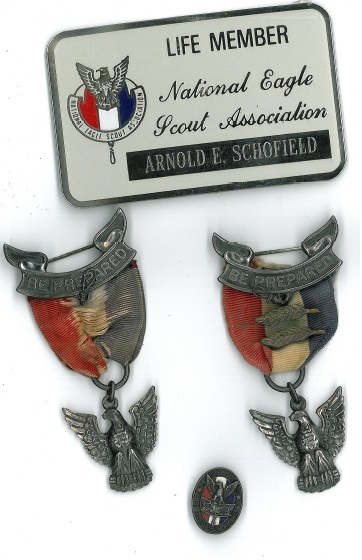
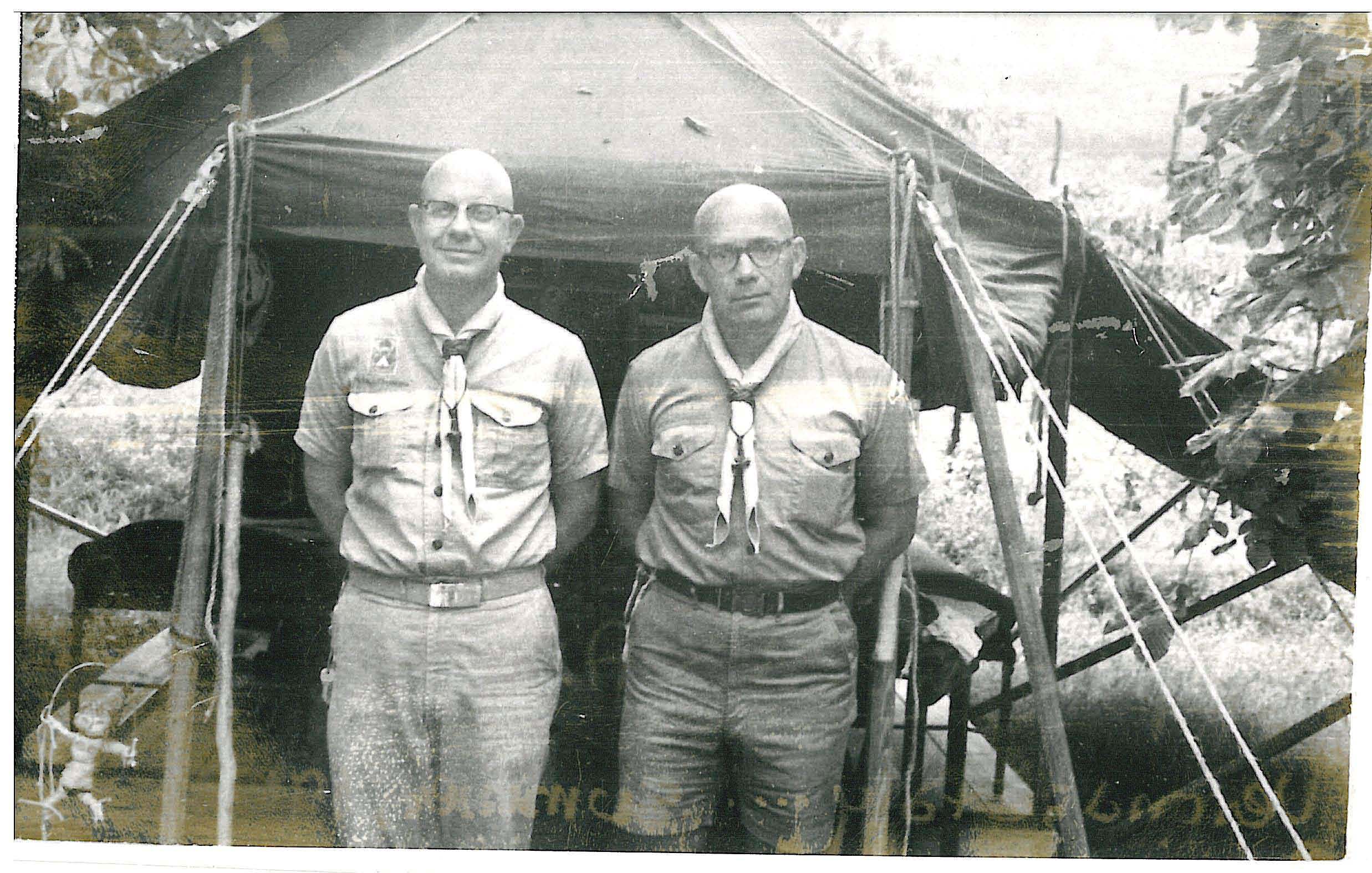
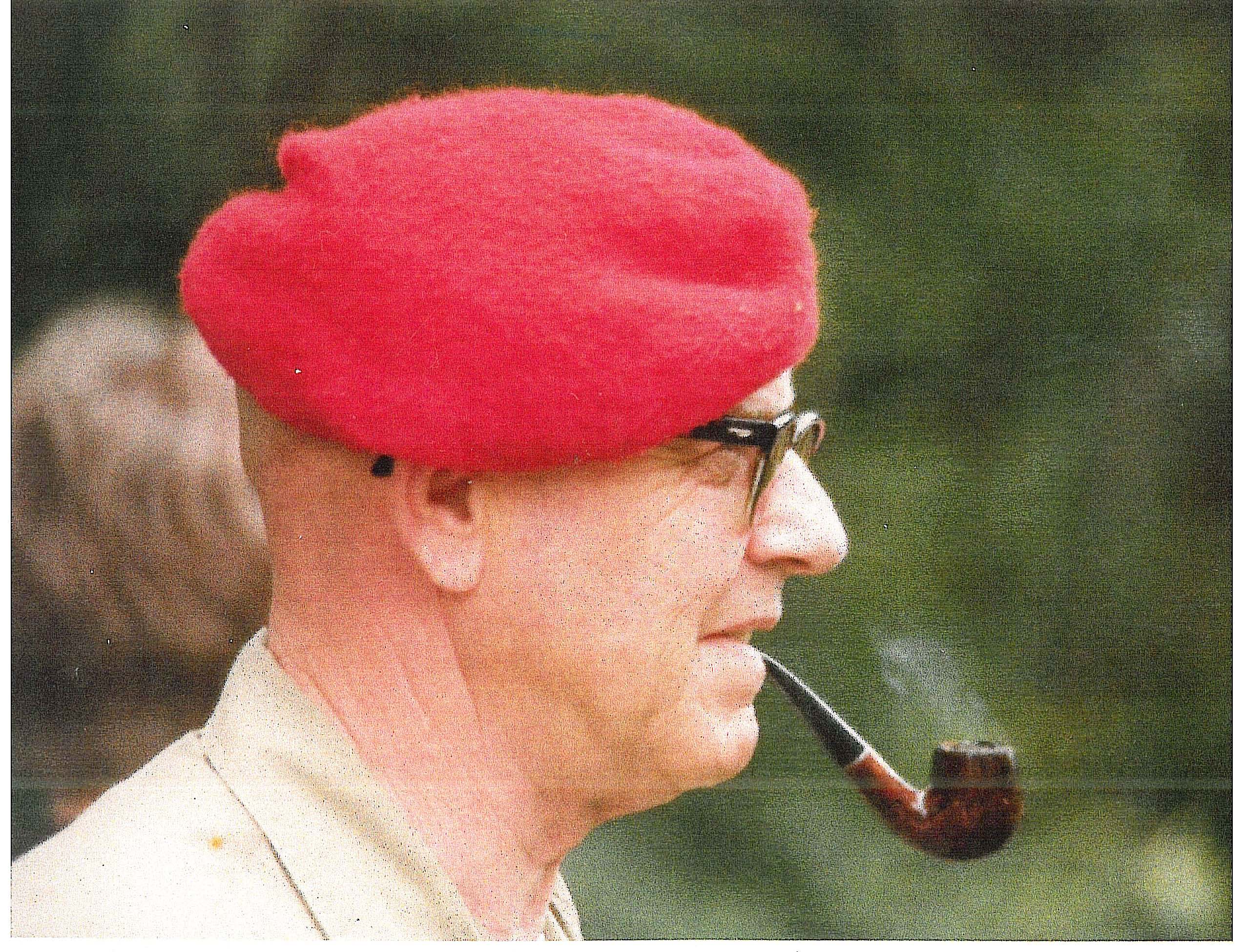
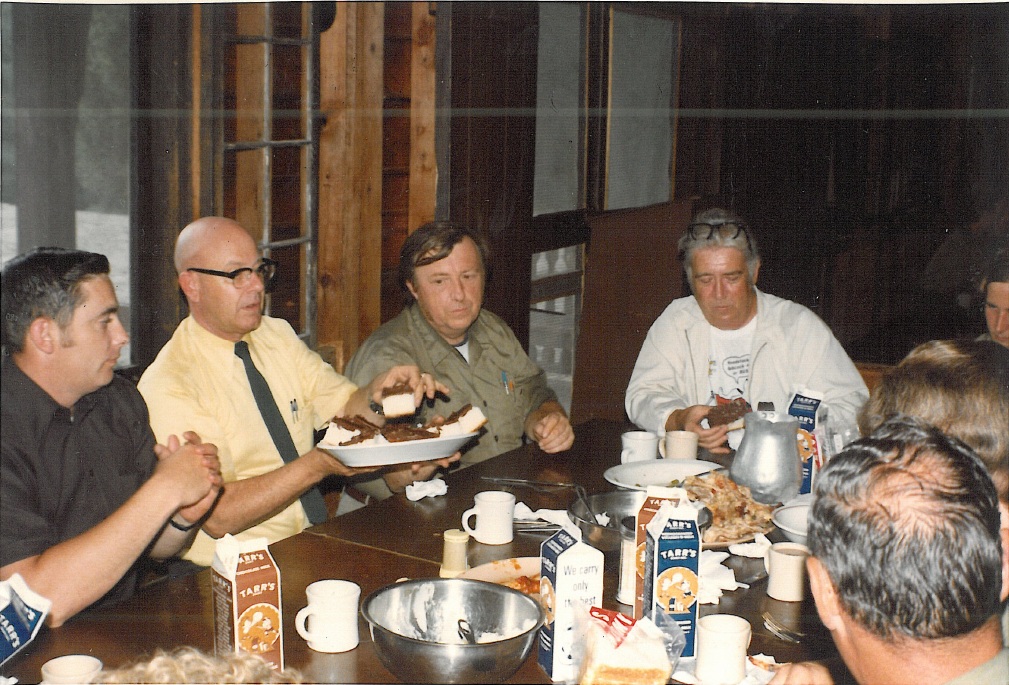
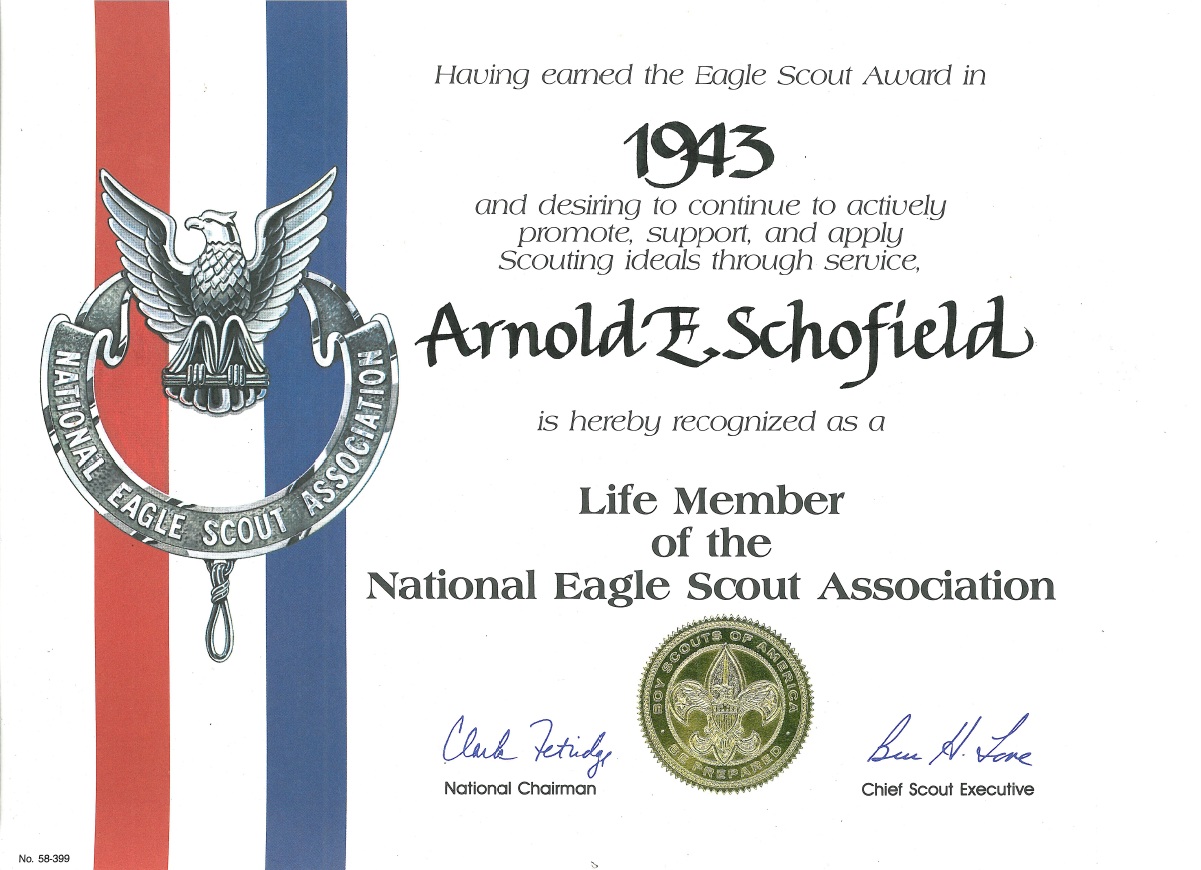
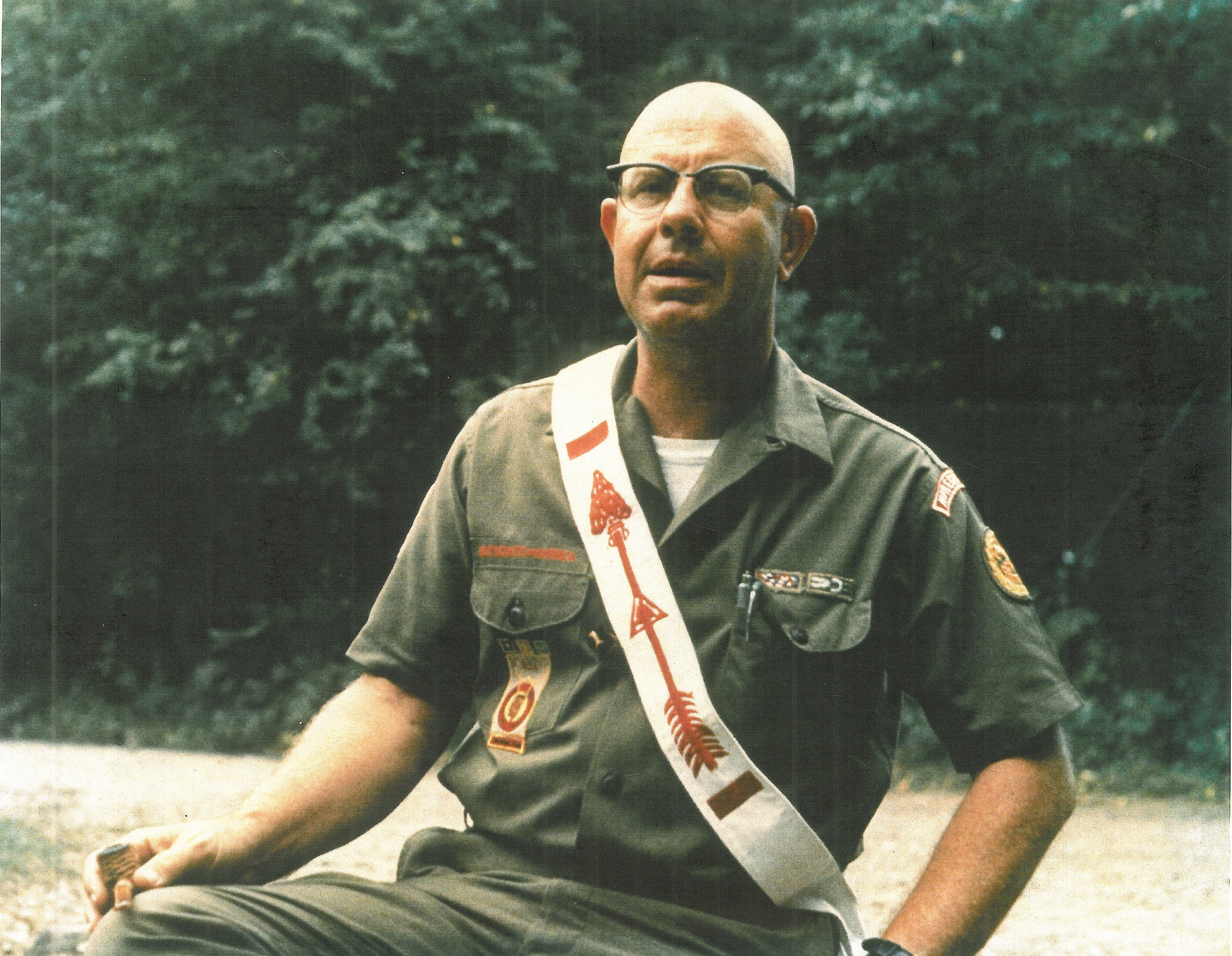
Schofield was born January 12, 1925 and was a native of North Andover, Mass. He was in scouts since he was 12 years old, and had also been a scout master. He earned his eagle scout award in 1943. He was married to Yolanda Schofield. They were often called “Yo and Sco”.

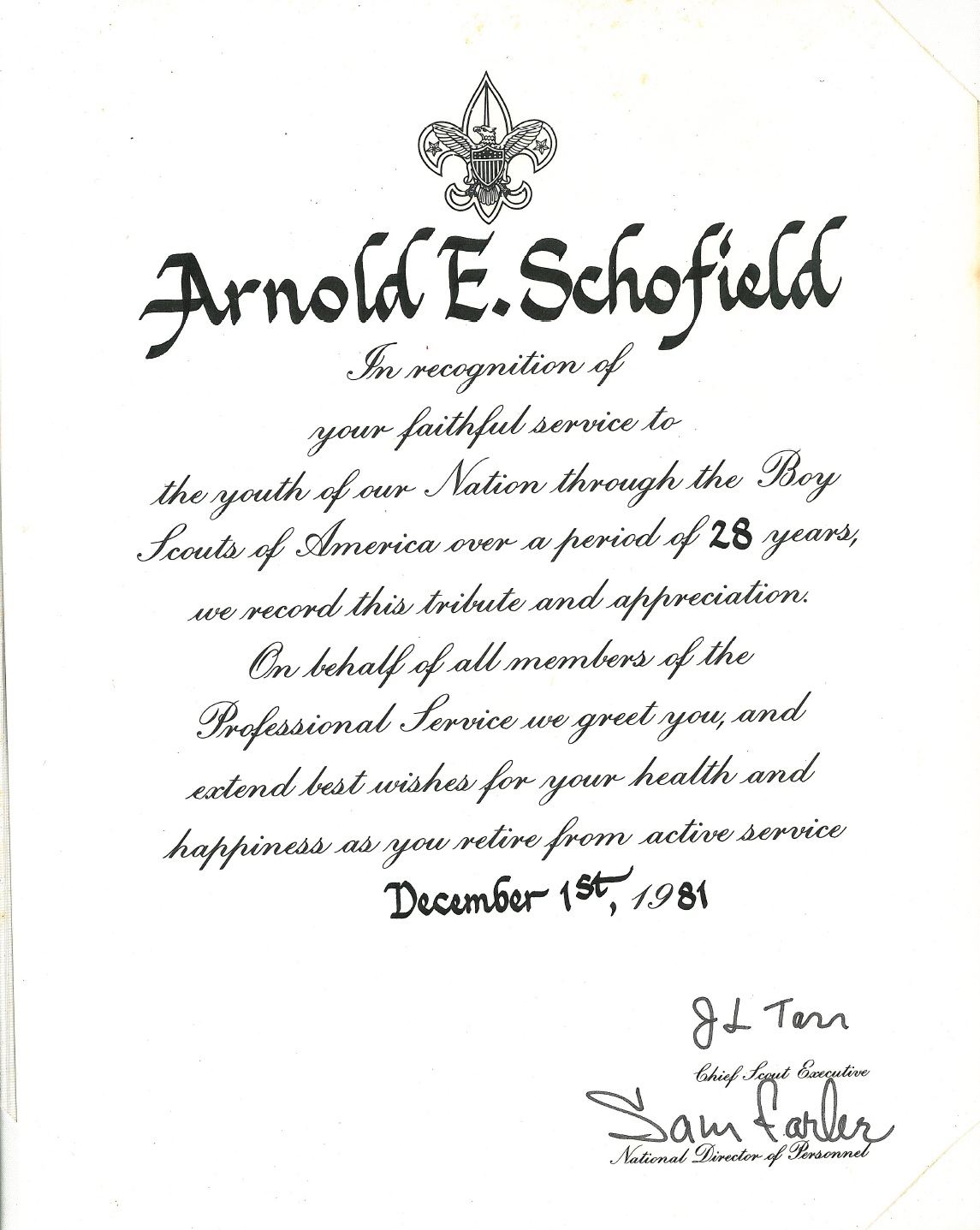
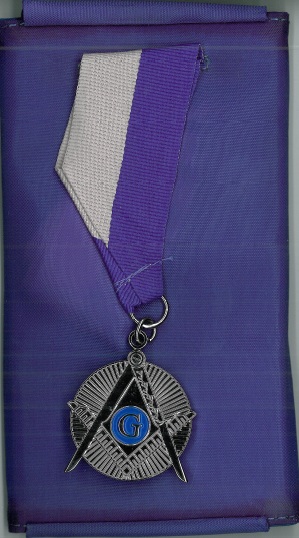
Sco was a professional Scouter for 28 years. He served as the scout executive of Finger Lakes Boy Scout Council for eight years from 1973-1981. In 2005 Sco was awarded “The Daniel Carter Beard Masonic Scouter Award”. Sco passed away on January 9, 2005. A funeral was held at the Babcock Chapel on July 8, 2005.

PDF of Funeral-

Funeral – Cover

Funeral – Page 1

Funeral – Page 2

Funeral – Page 3

Posted in Historic | 1 Comment

#45) 1979 Shenandoah Shelter

This slideshow requires JavaScript.

The Shenandoah Shelter, a multi-purpose building at. Camp Babcock-Hovey was dedicated at a 3 p.m. ceremony on Saturday May 3rd 1980, as part of the Shenandoah District Camporee program.

Tom Lewis, Shenandoah District camping chairman, served as the master of ceremonies for the event, which honored those persons and corporations whose donations made the construction of the shelter possible.

More than $8,200 was raised for the shelter at the Shenandoah District Bowl-A-Thon in 1979. The building was raised during the spring of 1979, and was used for teaching classes in inclement weather during the 1979 camping season. The shelter was also available for large-group meetings and picnics during the summer camping season, and for winter camping. The shelter was dedicated in honor and memory of the Cubs, Scouts, Explorers and their leaders from the Shenandoah District of the Finger Lakes Council, Boy Scouts of America.

At some point in the late 1980’s Shenandoah Shelter became the camp Trading Post.

Newspaper PDF-

1980.05.01 shenadoah shelter dedicated

Posted in Historic | 1 Comment

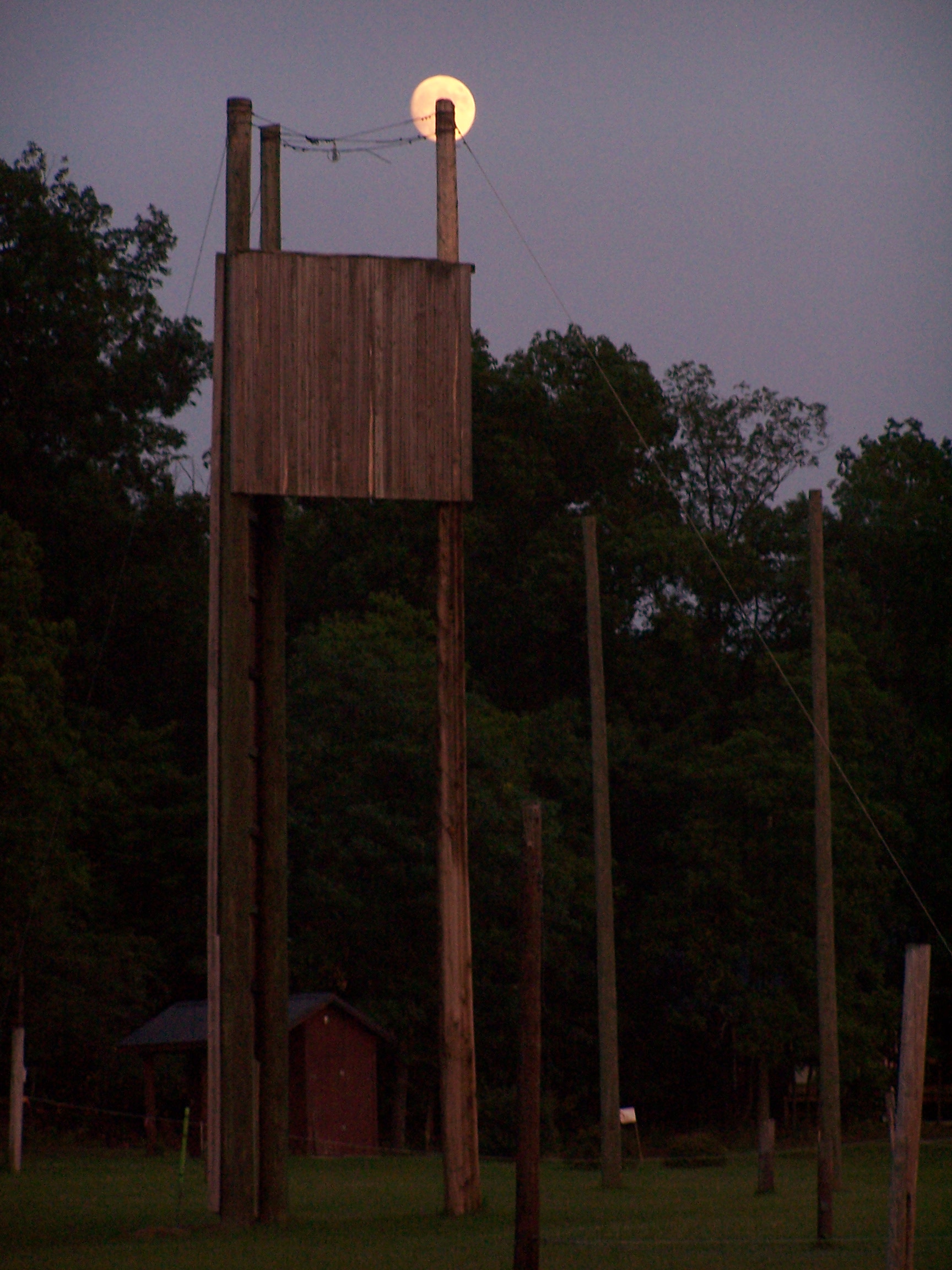
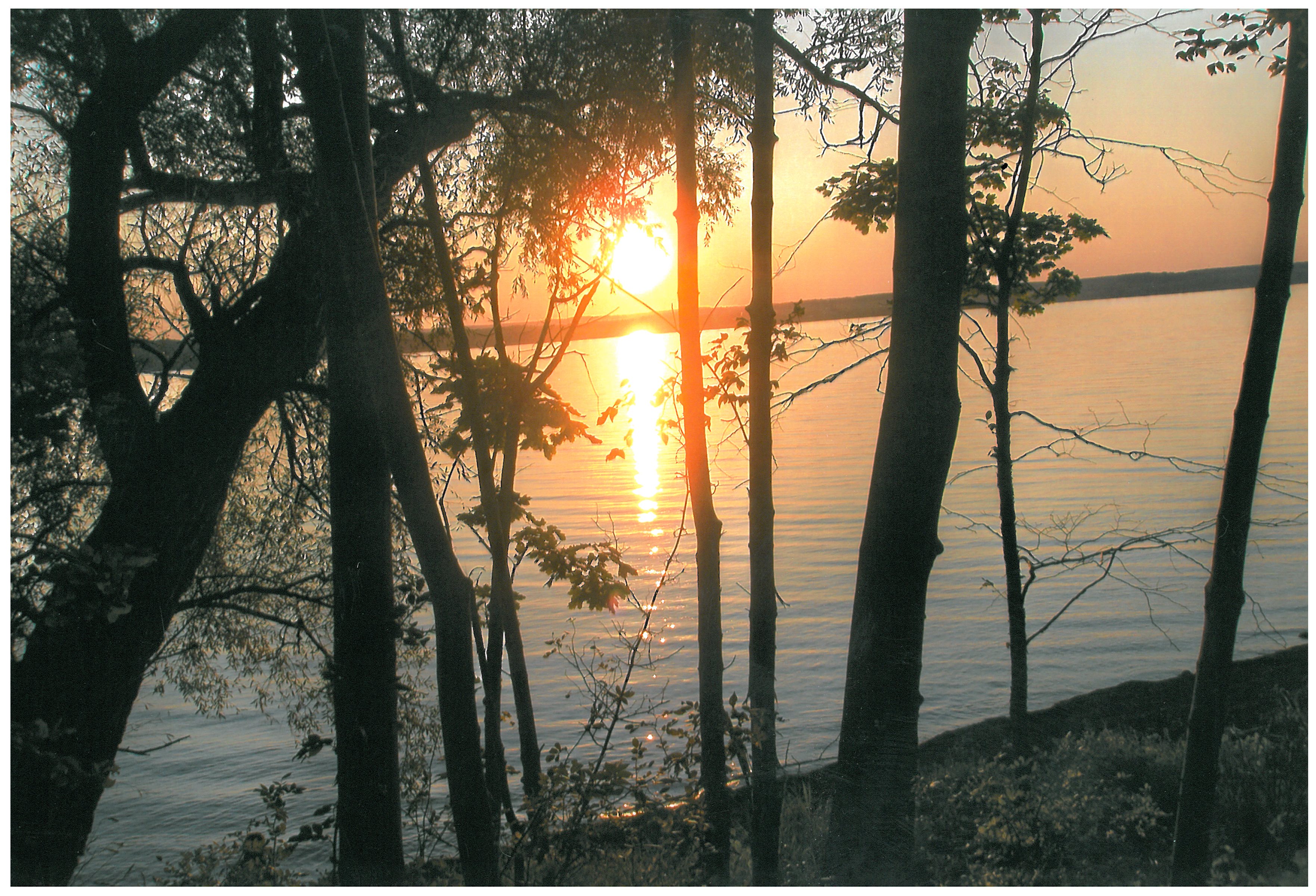
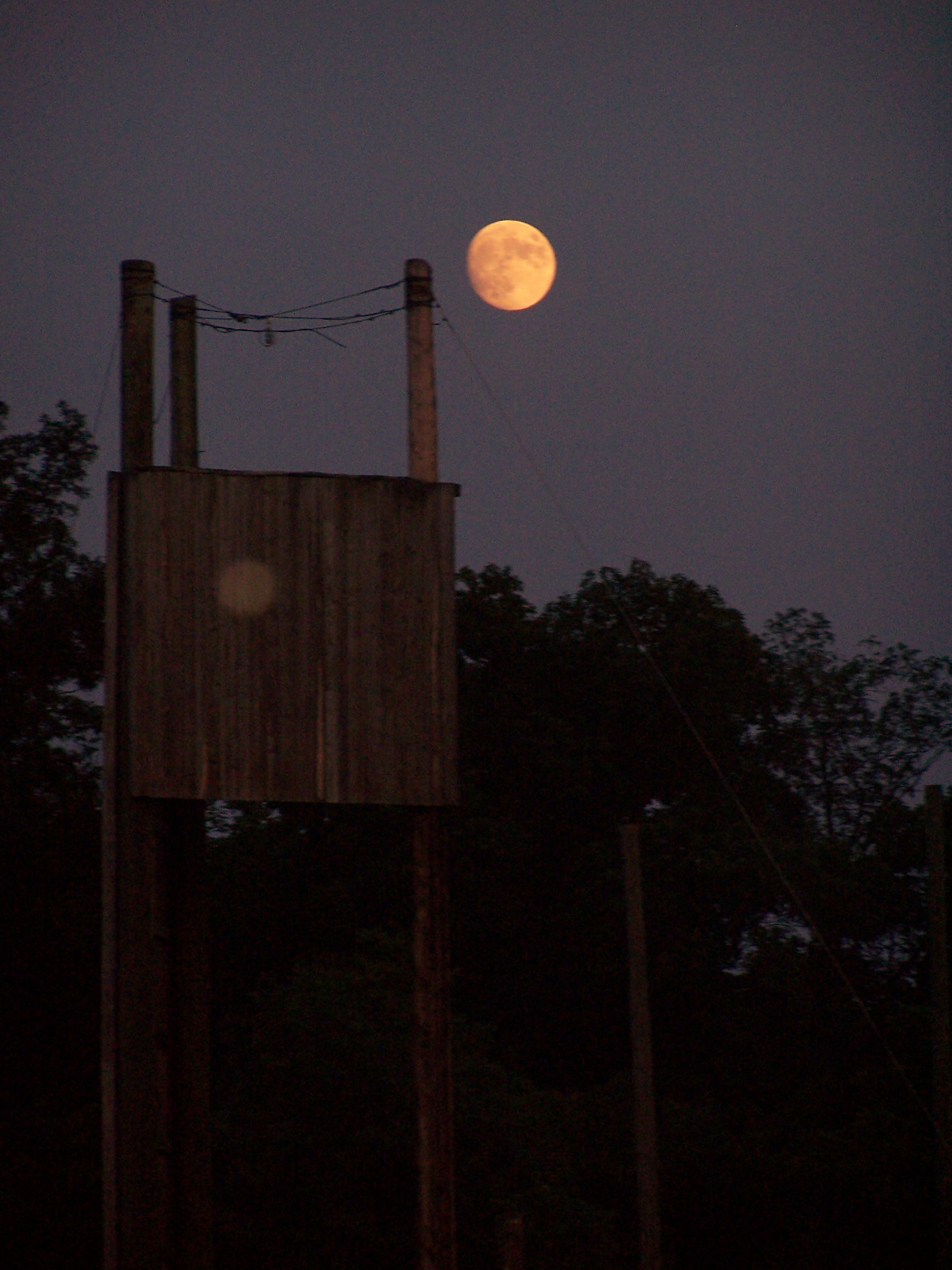
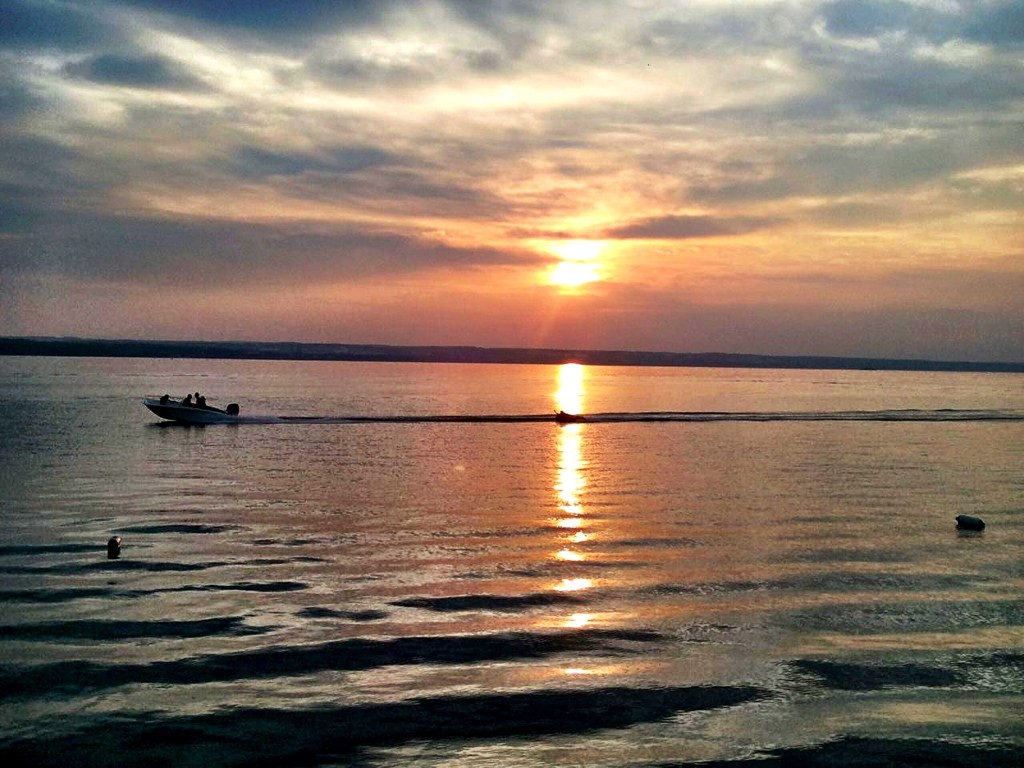
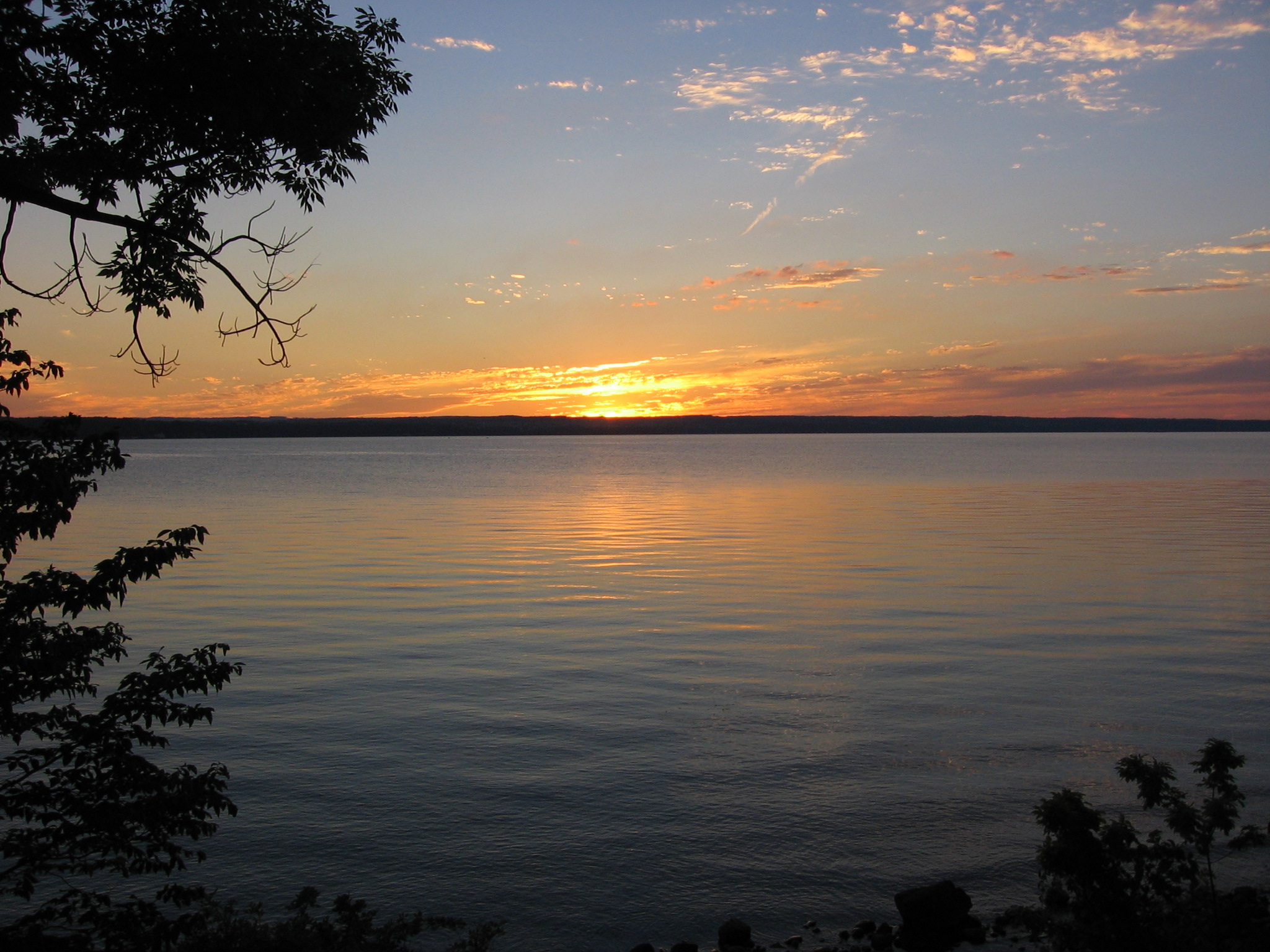
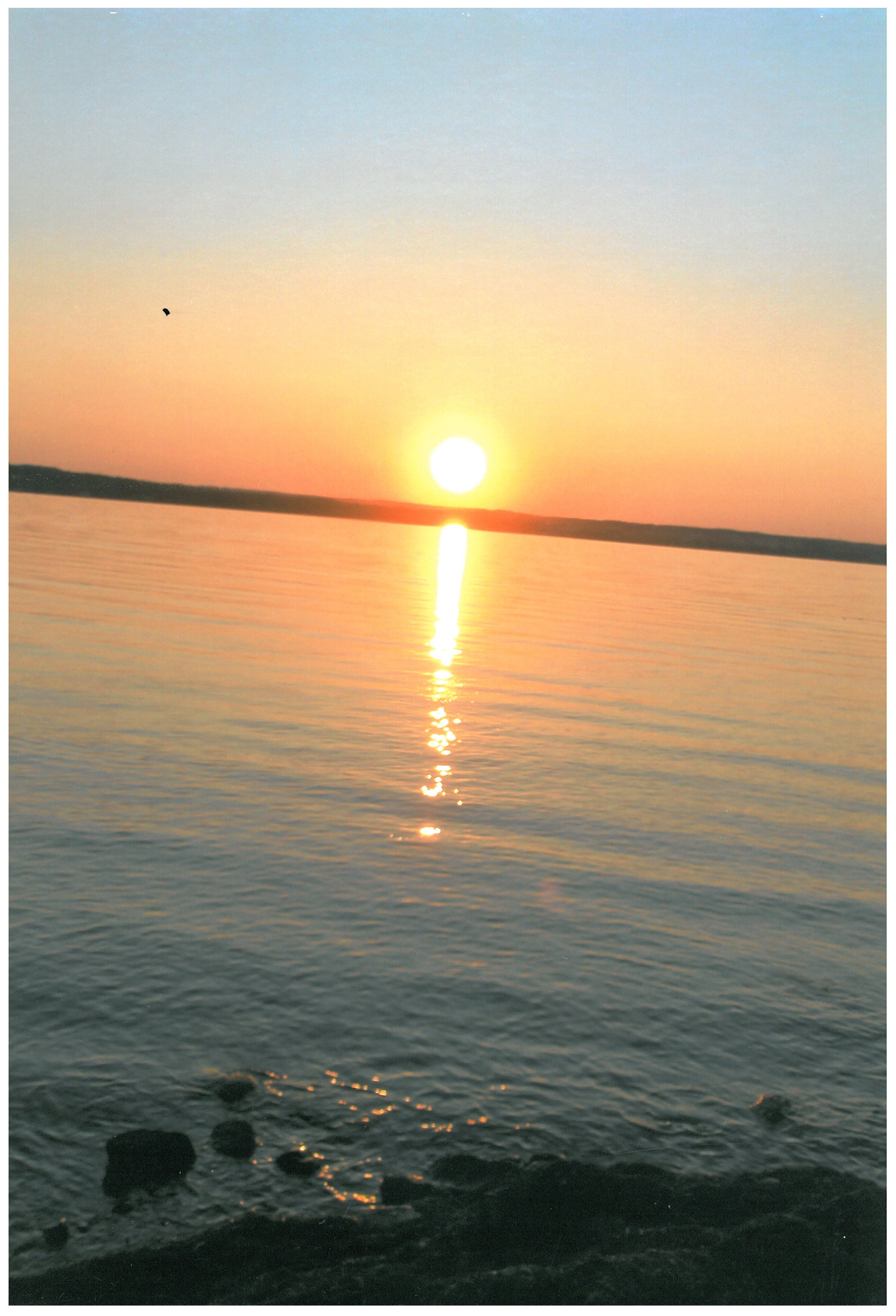
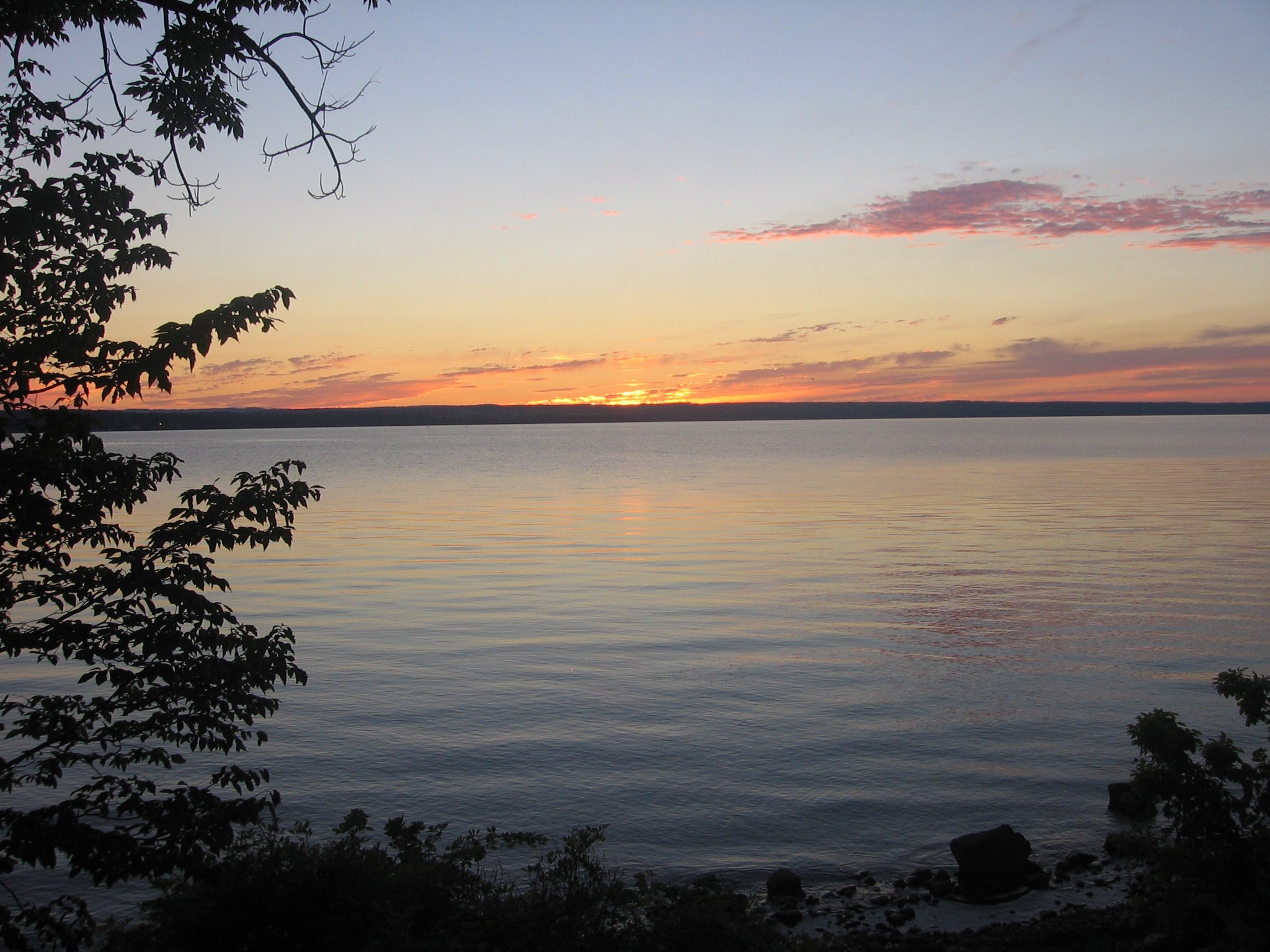
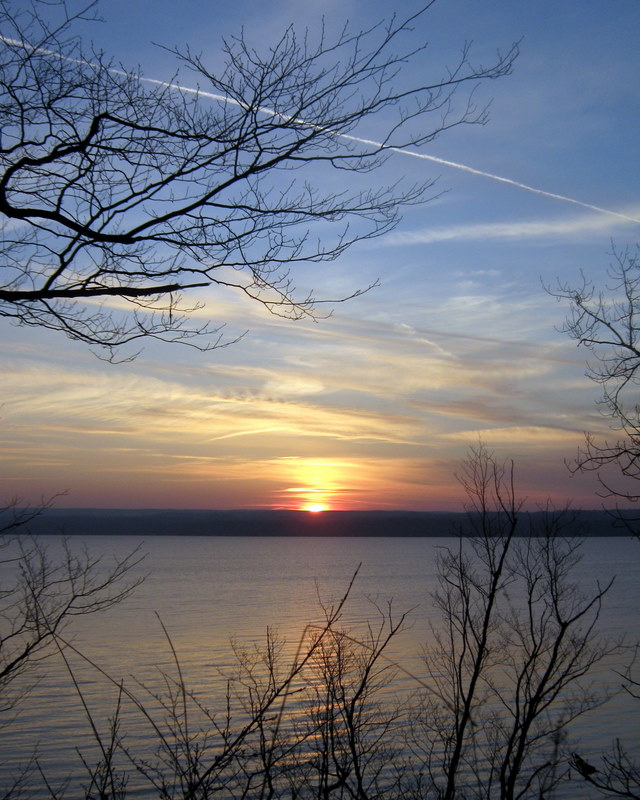
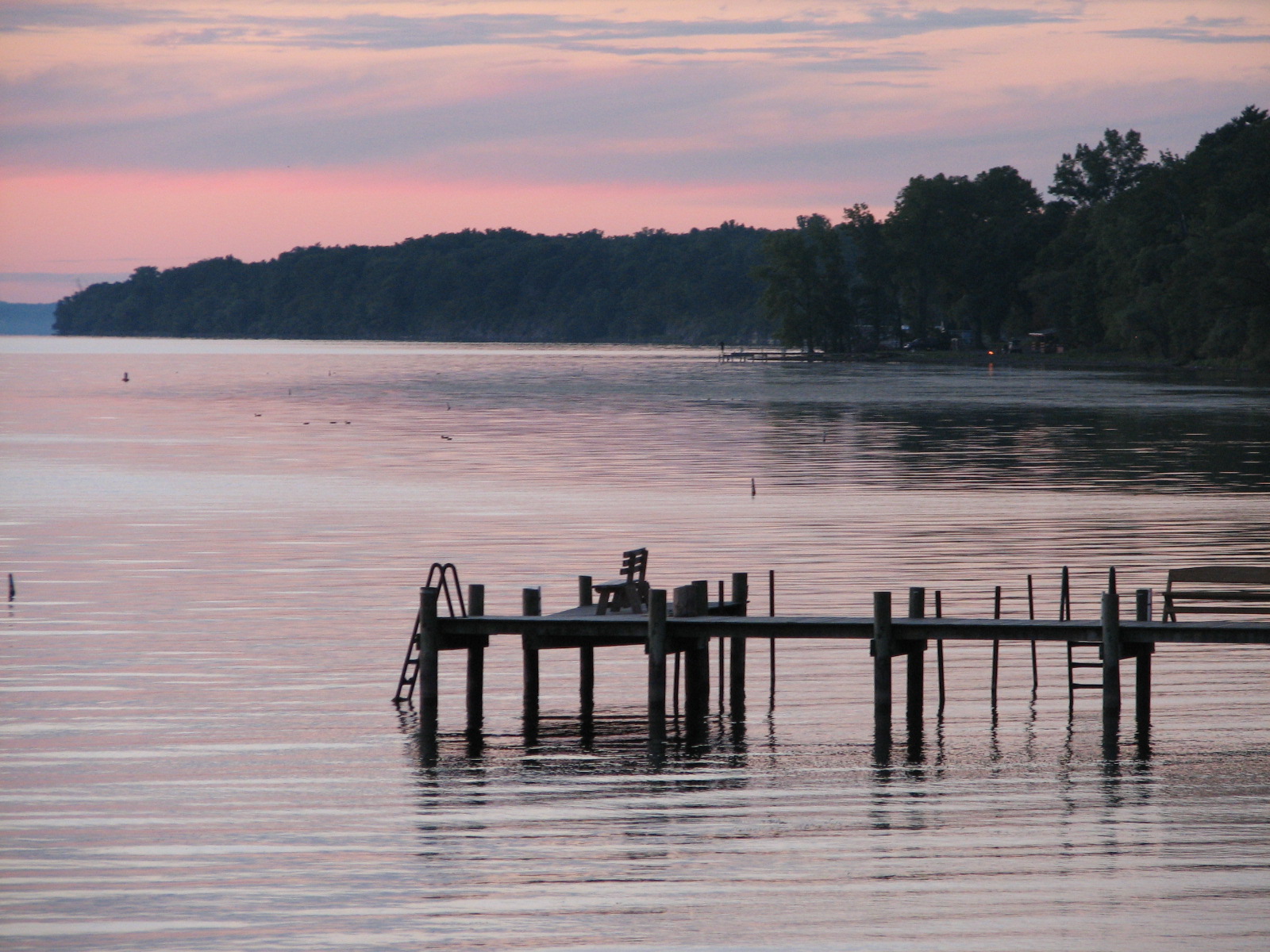
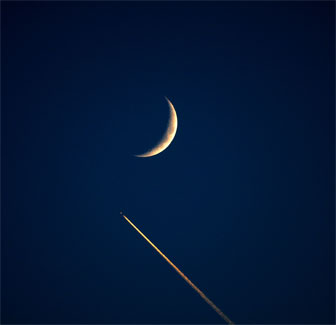
Which do you like better at Babcock-Hovey? Sunsets or Moon Shots?

What is your favorite picture of Camp Babcock-Hovey the Premier Boy Scout Camp in the Finger Lakes Region of New York?

This slideshow requires JavaScript.

Posted in Historic | Leave a comment

#44) 1971 – Boy Scouts celebrate 50th anniversary of Finger Lakes Council

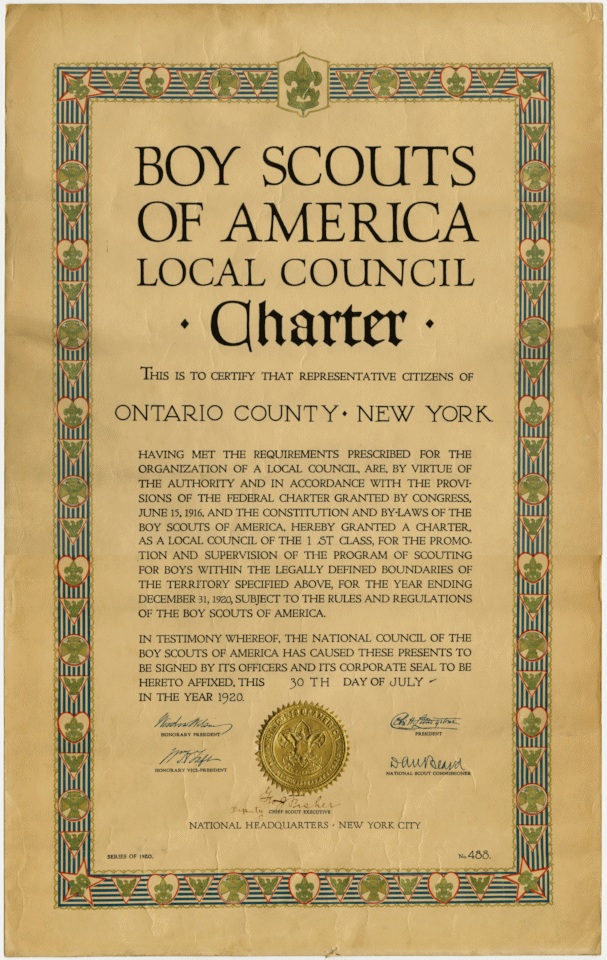
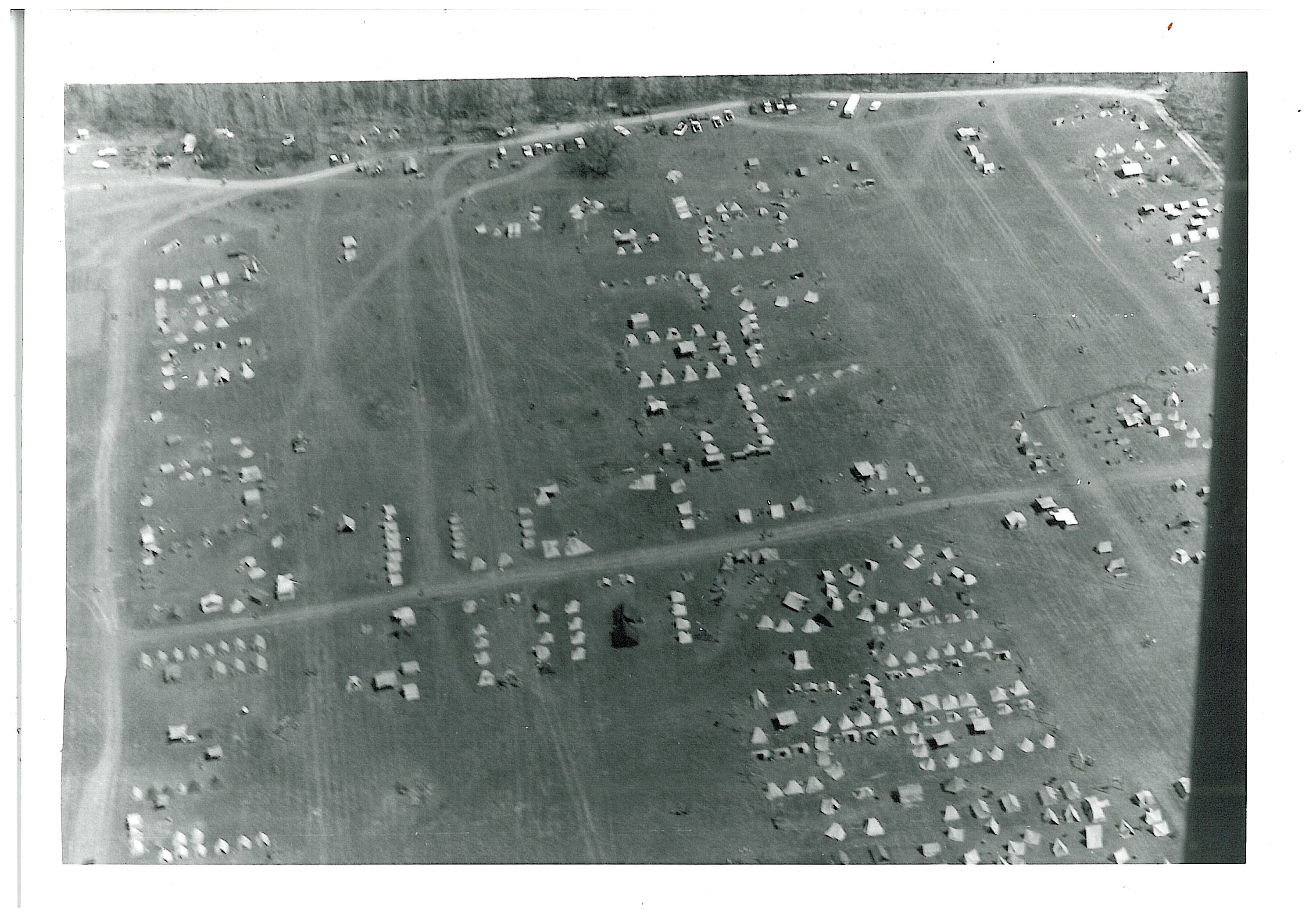
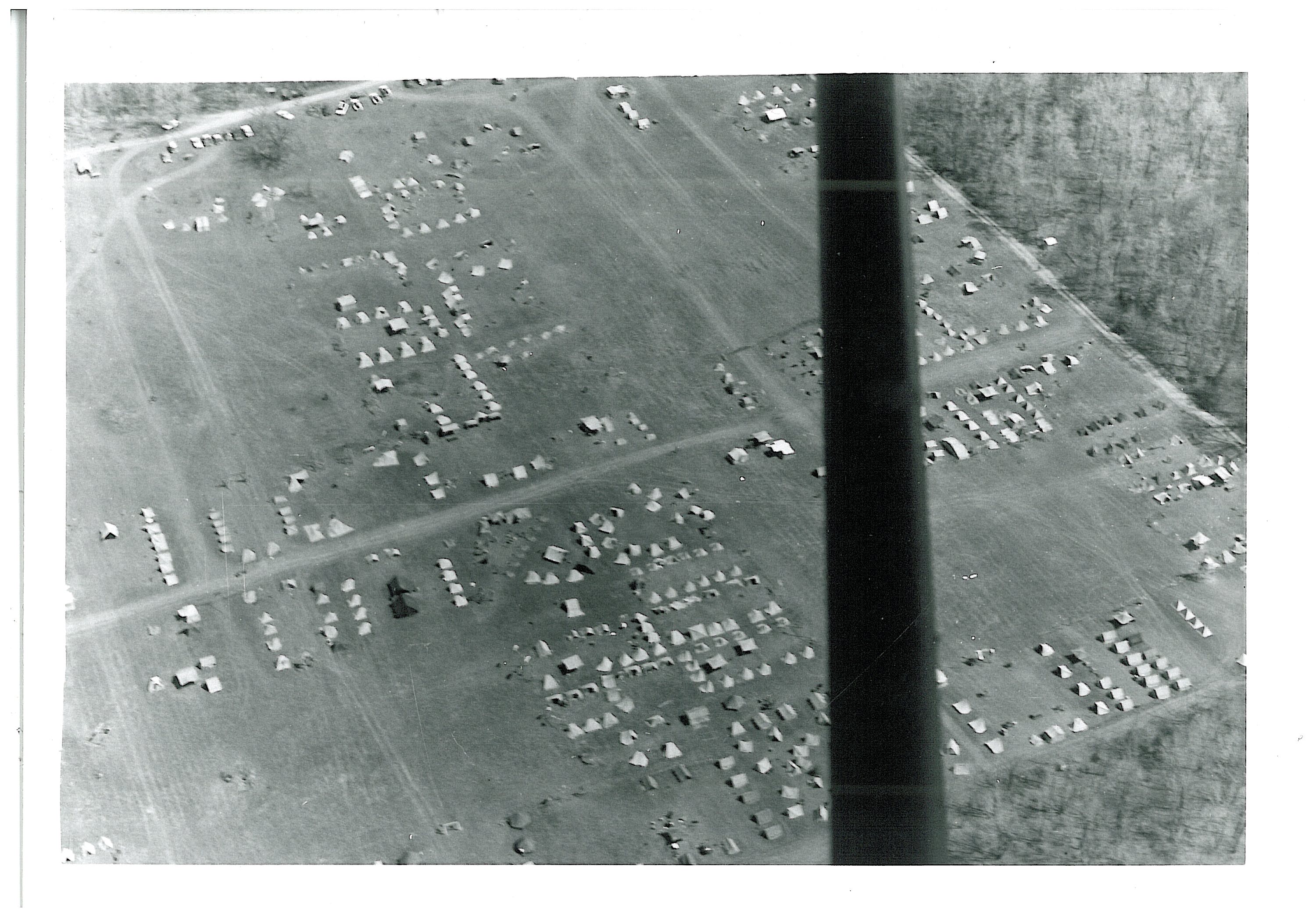
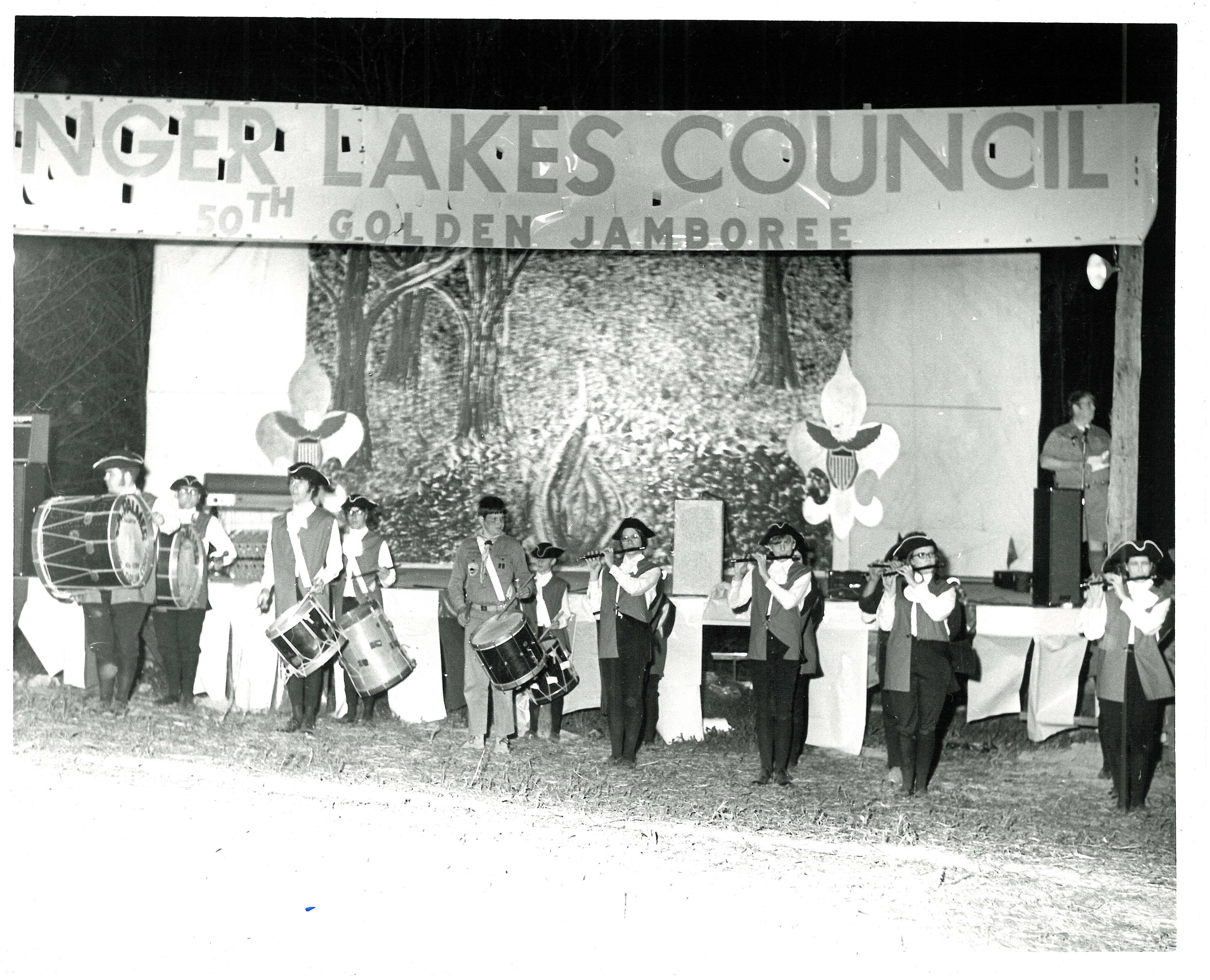
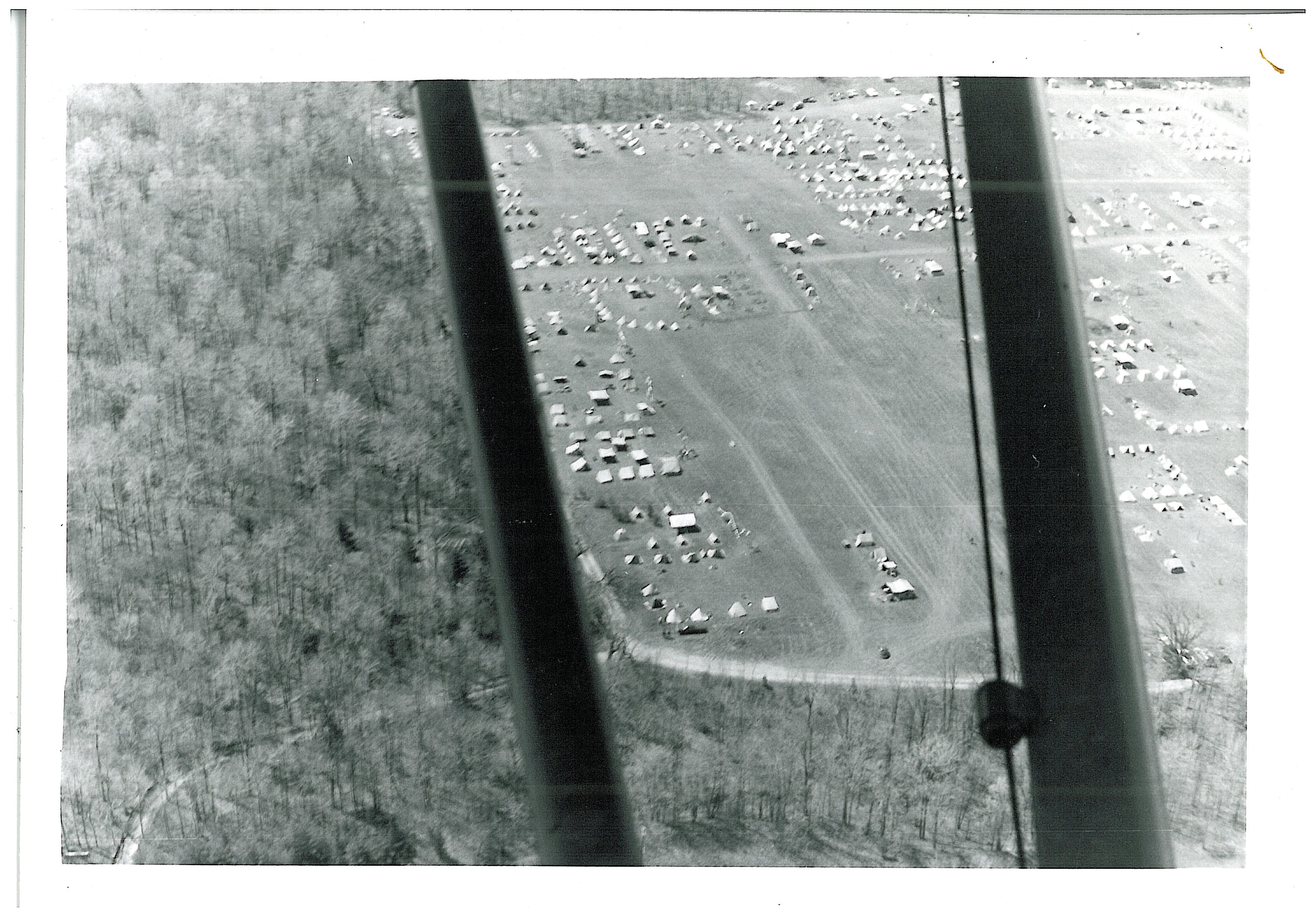
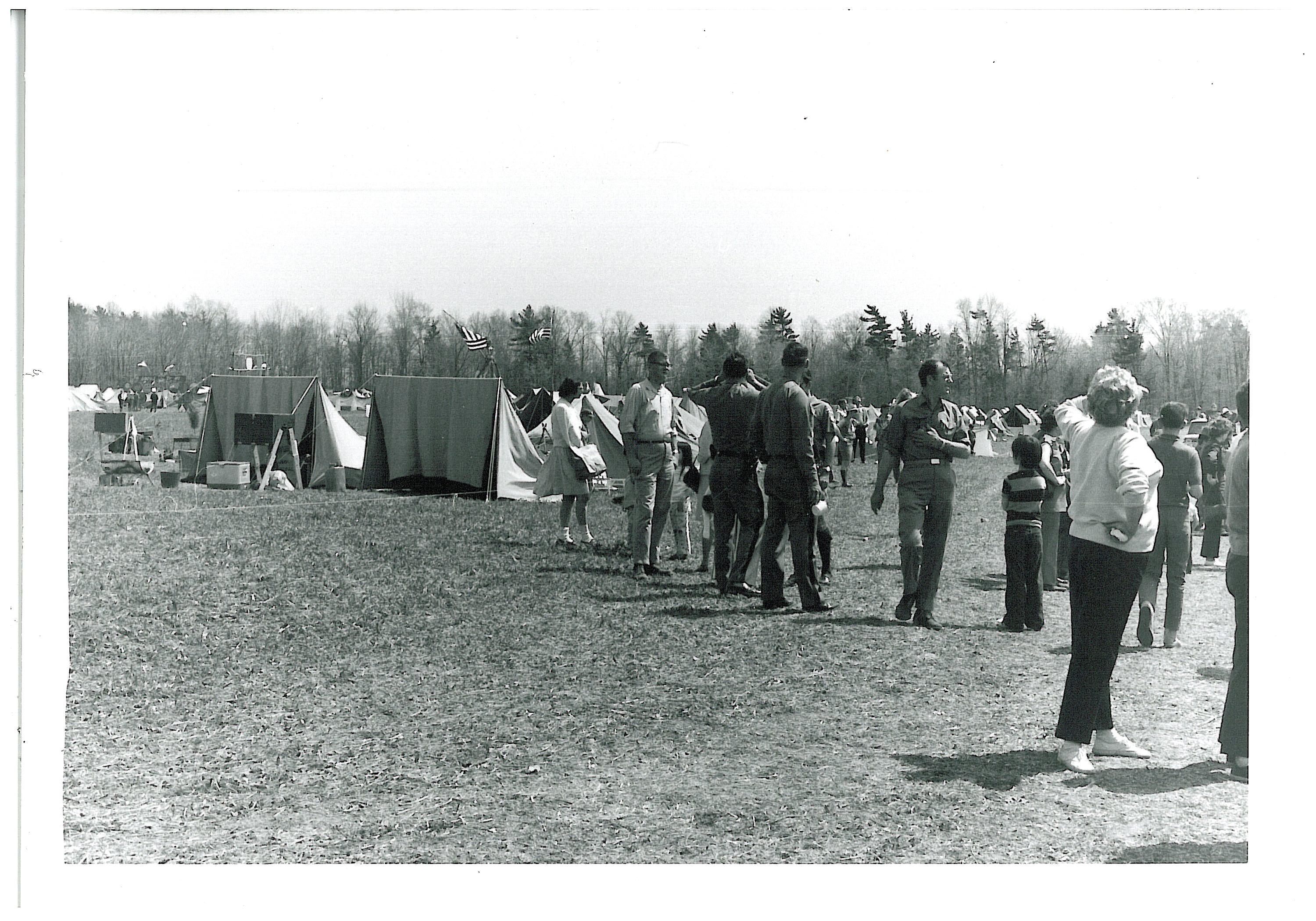
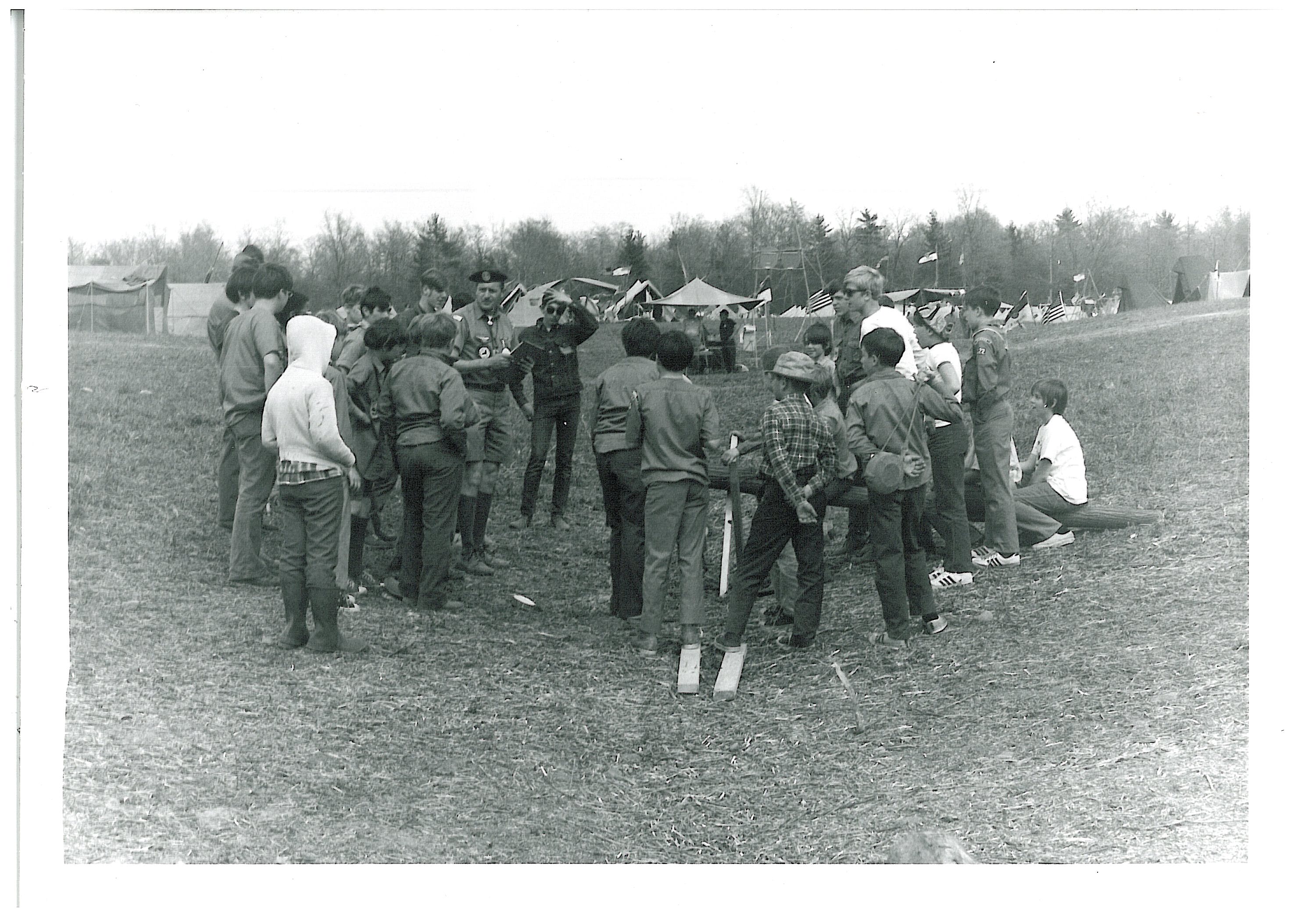
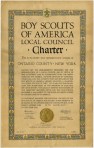
In 1971 the Babcock-Hovey helped celebrated the 50th anniversary of Finger Lakes Council. The council was originally called the Ontario County Council. I think they were actually a year late as the Ontario County Council was formed in 1970. Here is a copy of the original charter.
However, maybe it was the 50th Anniversary of when Yates and Seneca county joined Ontario county to form Finger Lakes Council. I am not sure entirely on how that happened. Maybe some history buffs out there will let us know how it really happened. However in light of Finger Lakes Council’s 50th anniversary, a council Camporee was held at Babcock-Hovey.

This slideshow requires JavaScript.

As Reported in the Finger Lakes Time May 17,1971

BY BETTY AUTEN

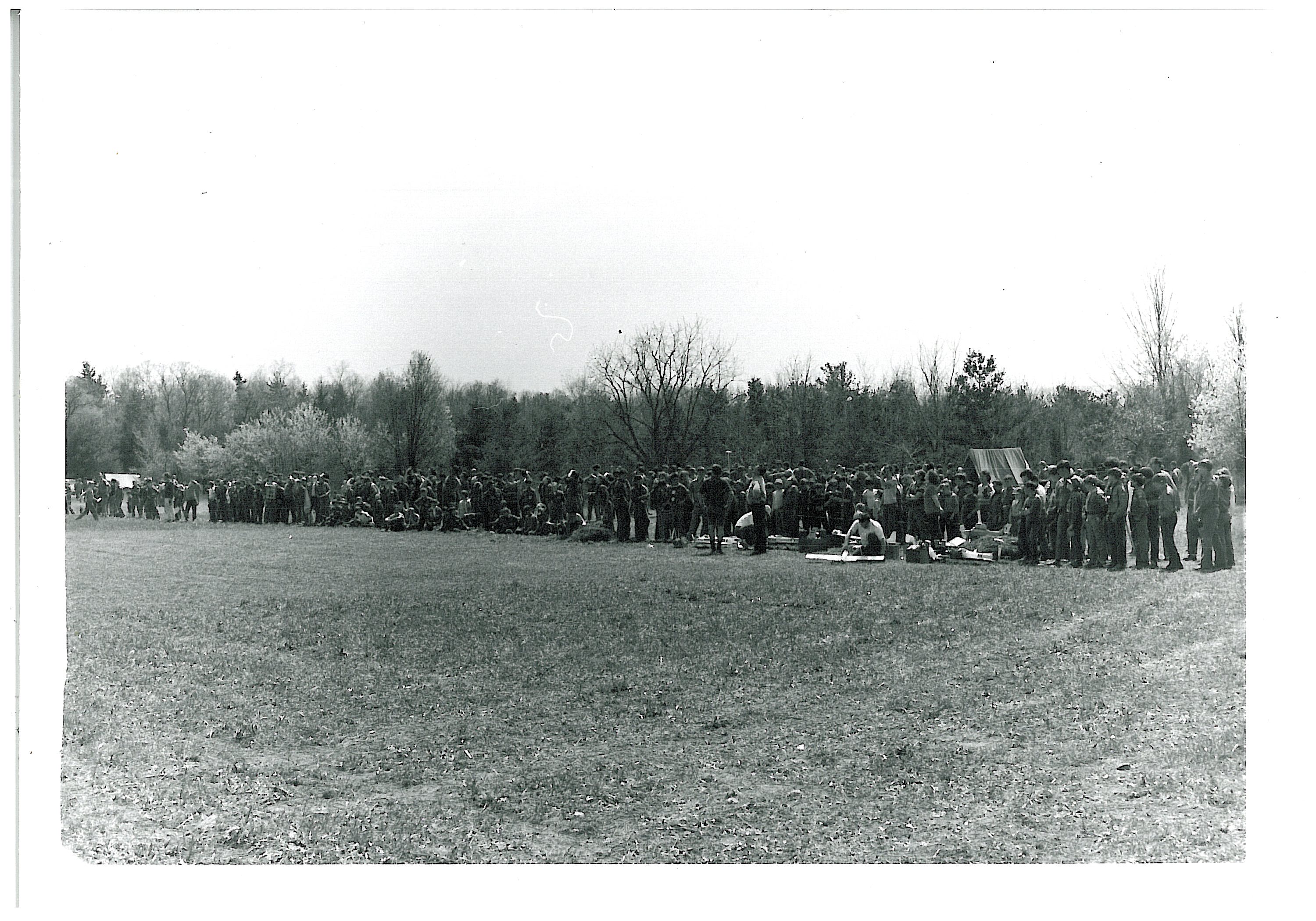
BABCOCK-HOVEY – For those boys who experienced their first time at troop camping at Babcock-Hovey, this weekend’s observance of the Finger Lakes Council’s 50th Anniversary Jamboree was a good way to start. For the older boys and the men who participated it was also a happy experience. Even the weather man did his part and provided the best weather this year.

The jamboree began at 4 p.m. Friday when somewhat over 1,300 boys and men arrived at the camp to set up their tents and get acquainted. By Saturday

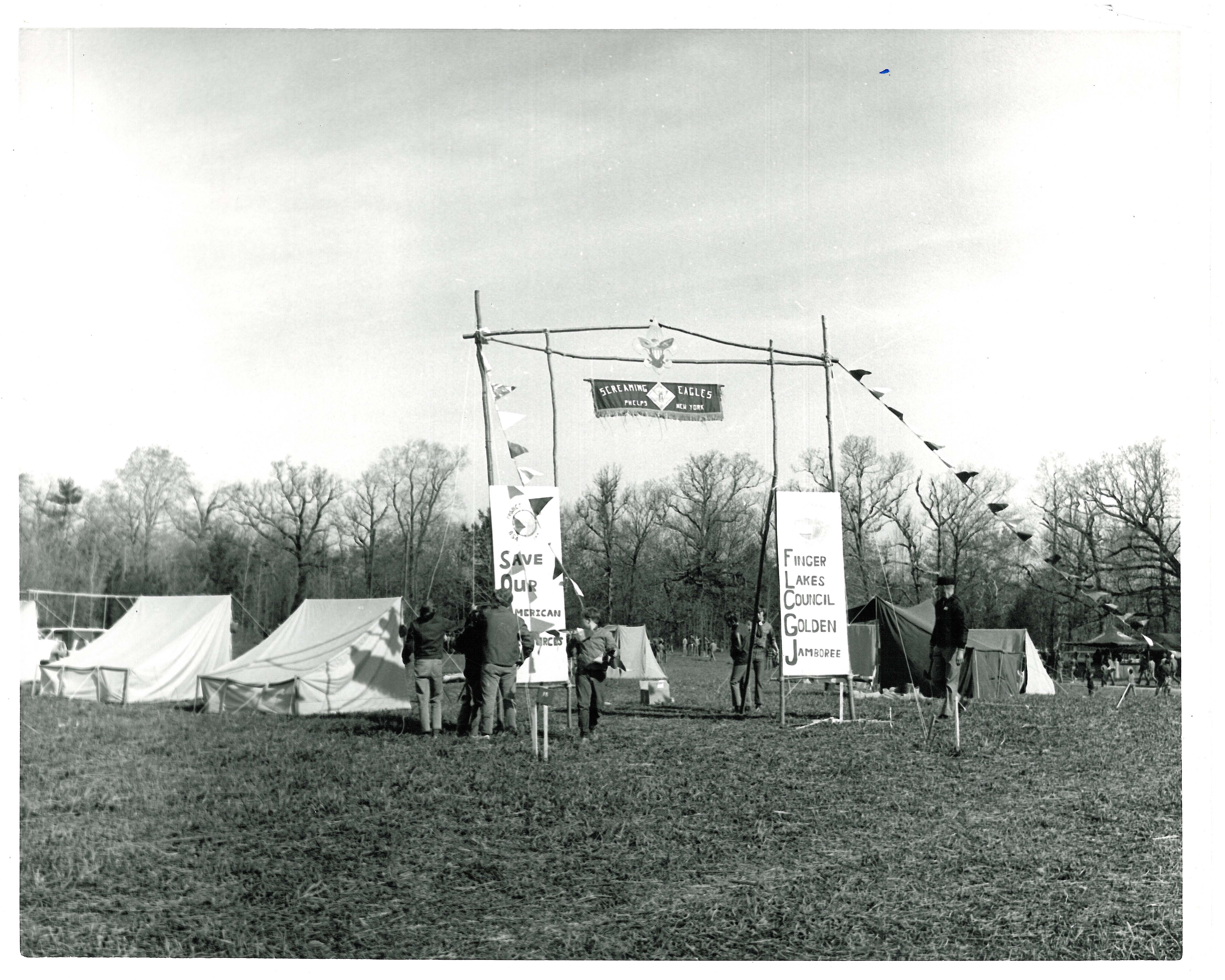
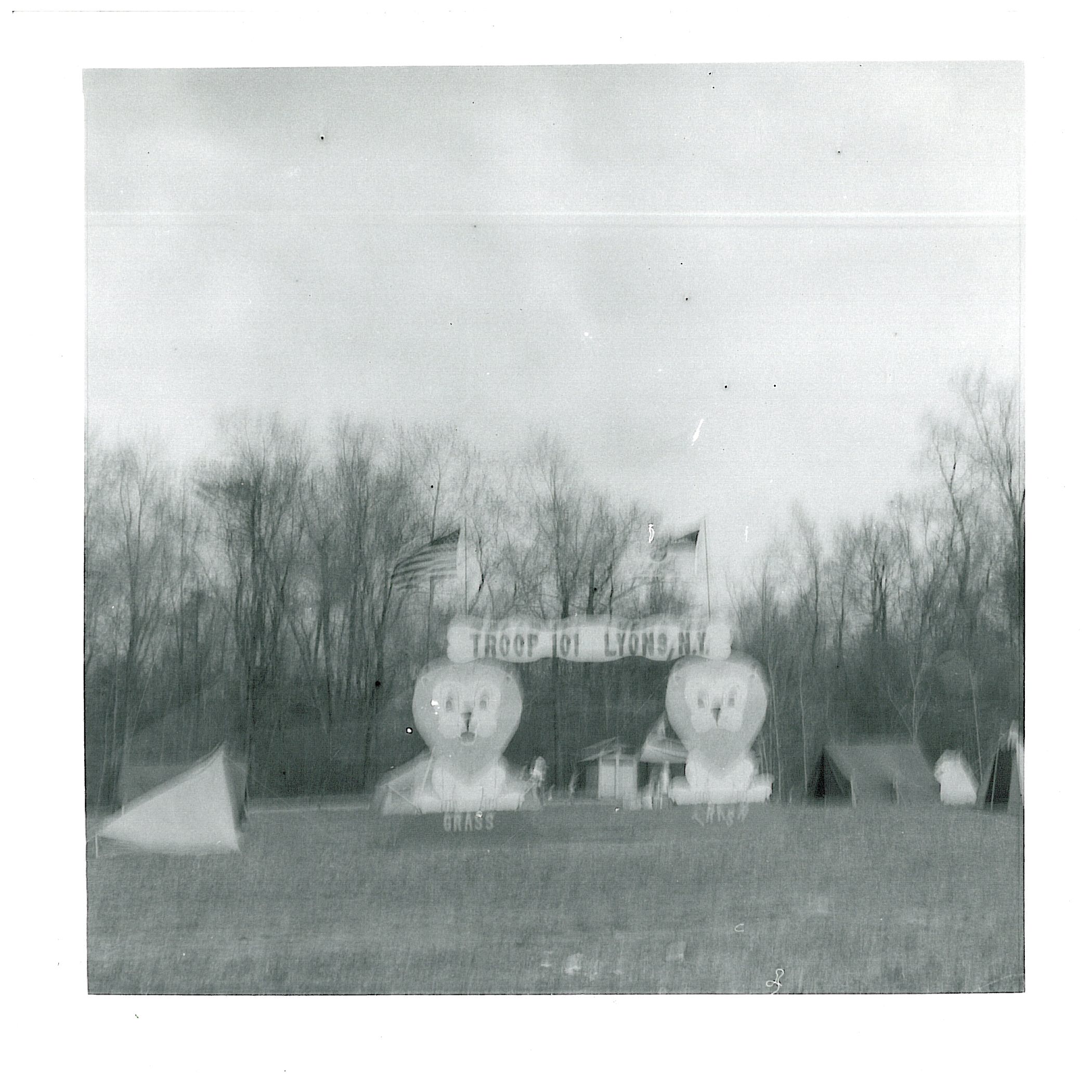
morning when the activities got under way, there were 2,000. The large cleared field was set off into four separate camps: Ernest Thompson Seton, Daniel Carter Beard, James E. West and Robert Baden. Powell. The boys began the work of erecting a gateway at the entrance of each of the troop campsites. The gateways varied according to the wants and ambitions of the troops. Some were nothing more than a pole stuck in the ground with a troop flag fastened to it. Others were quite elaborate.

Waterloo’s Troop 81, which later received the grand prize, erected a fire

tower about SO feet high at the entrance to its camping area. David Weidman of Troop 96 in Palmyra won the bugling contest He then had the honor of being the official bugler for the duration of the jamboree. All day Saturday was spent in special events and contests. These ranged from knot being to fire building, from astronomy to lighting a fire with a hand axe.

Saturday night there was a big campfire and fireworks display, two special moments, dear to the heart of every Boy Scout. There were church services, Sunday

morning and then the boys learned what they were expected to do in the special

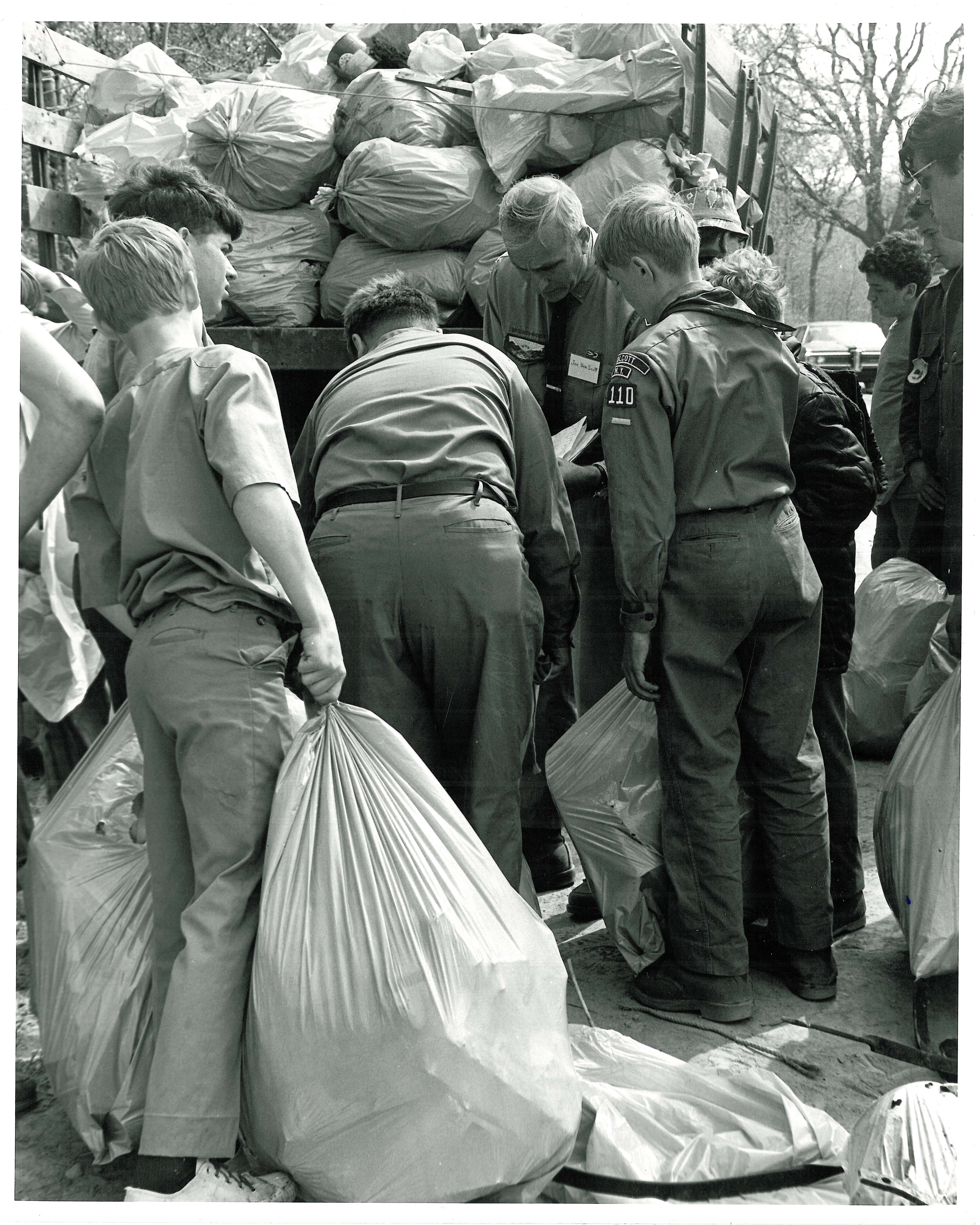
ecology event. It turned out to be a giant KP assignment, the oh’s and baah’s could be heard clear down to the lake. Many of them probably guessed what it would be beforehand. The theme of the jamboree was “Save Our American Resources”. At the end of the time limit the boys bad filled 376 plastic bags and had gathered up innumerable pieces of trash that wouldn’t fit into the bags.

First place winners in the ecology contest was Senior Troop 111, Troops 126 and 82 tied for second. As the time drew near to go back home, the boys gathered in a rectangle around a blue cross to the right of the field. Before the awards were to be

announced, the boys were to see a sky diving act.

After waiting about 15 minutes a plane flew overhead. It passed over but proved to be just that, a plane passing over. Another 30 minutes went by and some of the boys saw someone jump from an airplane, far off to the east Coincidentally, as 100’s of boys waited to see their sky divers, members of the Ovid Parachute Club picked that moment to jump from a plane. Another 10 or 15 minutes passed and then the right plane arrived and began to circle the field. The second time around a yellow streamer floated out of the plane. The divers were checking the wind velocity.

Suddenly four tiny dots separated from the body of the plane and soon the dots took on the appearance of four men suspended from four parachutes. Before the plane’s arrival the boys had been warned to remain standing and not to move around, for their own safety and the safety of the sky divers. The boys obeyed the warning but it proved to be for nothing. Although the sky divers tried desperately to land in the spot reserved for them, the strong breezes carried them elsewhere. One of them nearly made it. He landed in the back field just beyond the perimeter where the boys had gathered. The other three men landed in the woods.

` In addition to Troop 81 who received first prize and grand prize for their gateway other awards went to the following: Gateways —  Ernest Seton Camp: Troop 122, Newark, first; Troop 32, Canandaigua, honorable mention; Robert B. Powell Camp: Troop 10, Honeoye, first; Troop 52, Victor and Troop 126, Ontario, honorable mention; Daniel C. Beard Camp: Troop 59, Clifton Springs first; Troop 109, North Rose, honorable mention. Honorable mention at James E. West Camp at which Troop 81 took first place, went to Troop 33, Canandaigua. Plaques were presented for five troop events. These went to Troop 80 for hammering a nail; Troop 114 for striking a match with a hand axe; Troop 95 for fire building; Troop 59 for measuring and Troop 96 for the log race.

1971.05.17 – FLC 50th camporee

1971.2.12 – Scouts plan 50th anniversary of FLC

Golden Jamboree Text
Posted in Historic | Leave a comment

#43) Cub Camping Area

This slideshow requires JavaScript.

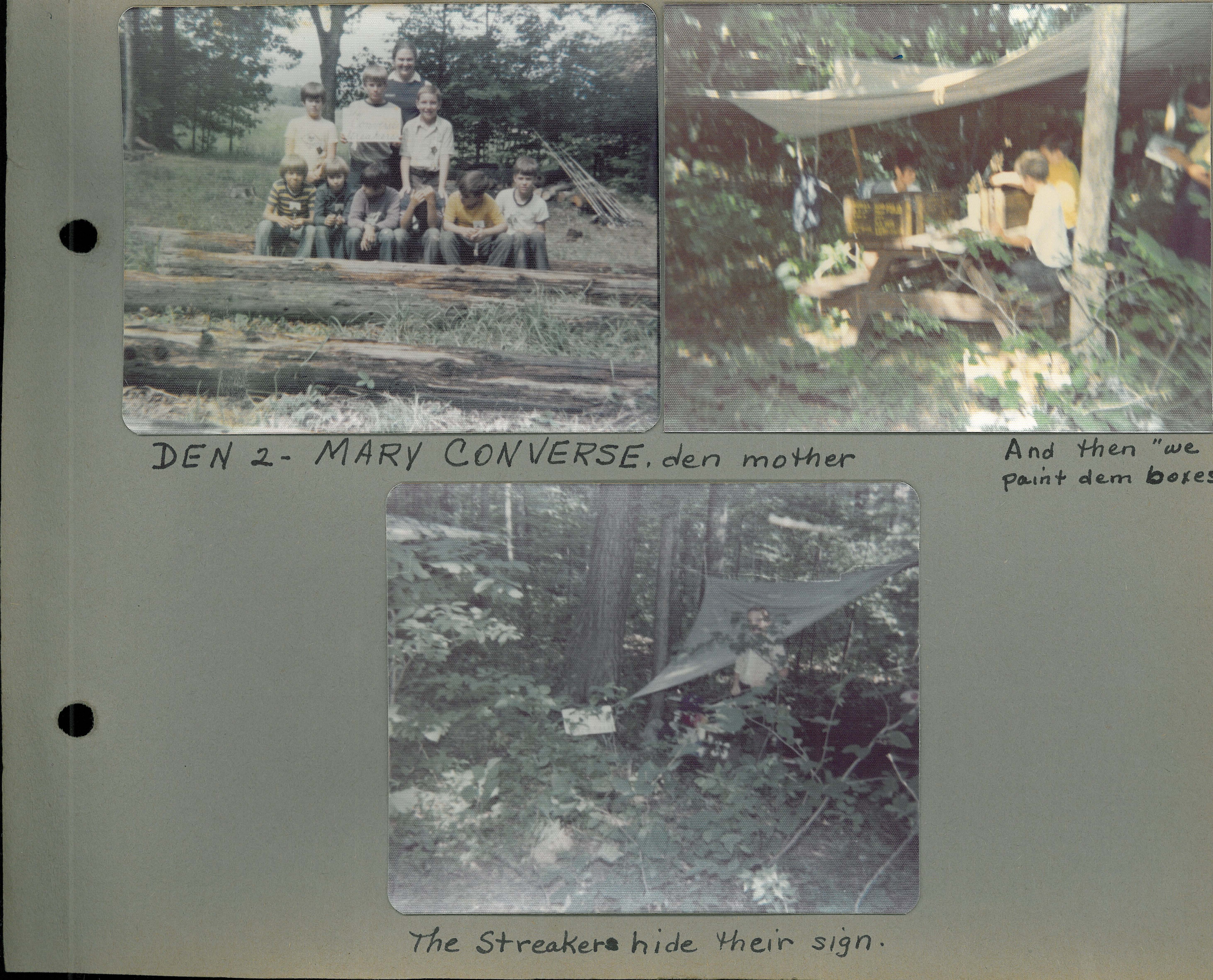
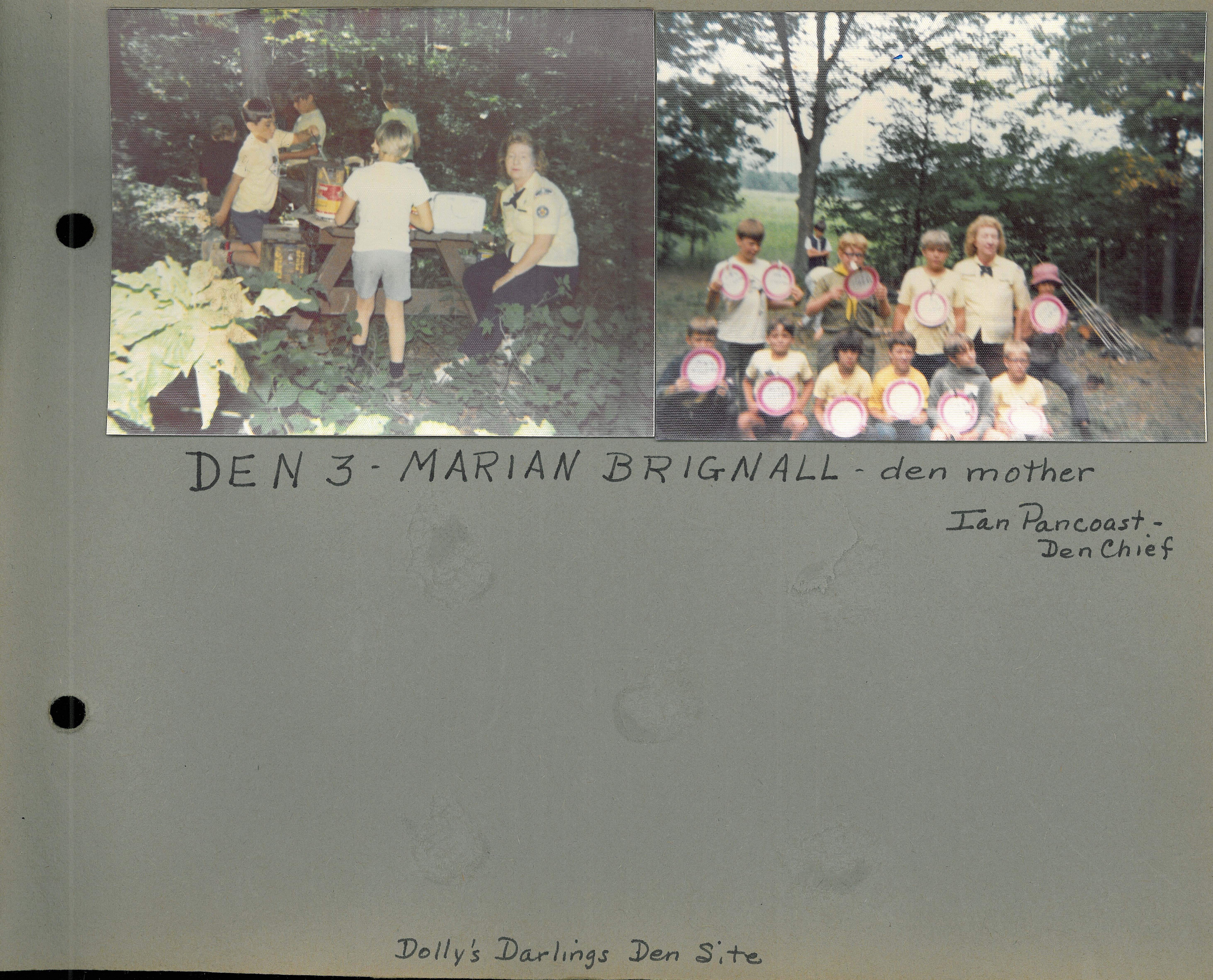
For those of you that have been only been in camp for less than 10 years, the Cub Camping Area might confuse you. Rarely if ever would you have ever seen a Cub Scout use the Cub Camping Area. The last time that I remember a Cub Scout using the Cub Camping Area was around the turn of the millennia when the last Cub Day Camp was held at Babcock-Hovey. But alas the Cubs are slowly returning to Camp Babcock-Hovey. Sometime around 2008 Cub Adventure Weekend starting taking place at Camp. A Link is provided here to their website – http://www.senecawaterways.org/bh/cubAdvWknd.php . Also Cub Resident camp is moving to Hovey from Dittmer in 2012. Check out their promo video here – http://www.youtube.com/watch?v=EAmEy3d5CFg. What I find interesting is that the Cub Adventure Weekend is very similar to he Cub Dad Day held at Hovey during the 1970’s. I wonder if there was any nostalgic memories of these father son days that led to the creation of Cub Adventure Weekend? Check out the newspaper article here – (PDF-1971.08.02 – Cub-dad day- The Geneva Times ). Well before I get too off track, here are some pictures from 1974 of Cubs Scouts actually using the Cub Camping Area.

PDF – 1974 Cub Camping

Posted in Historic | Leave a comment

Whatisit Wed?

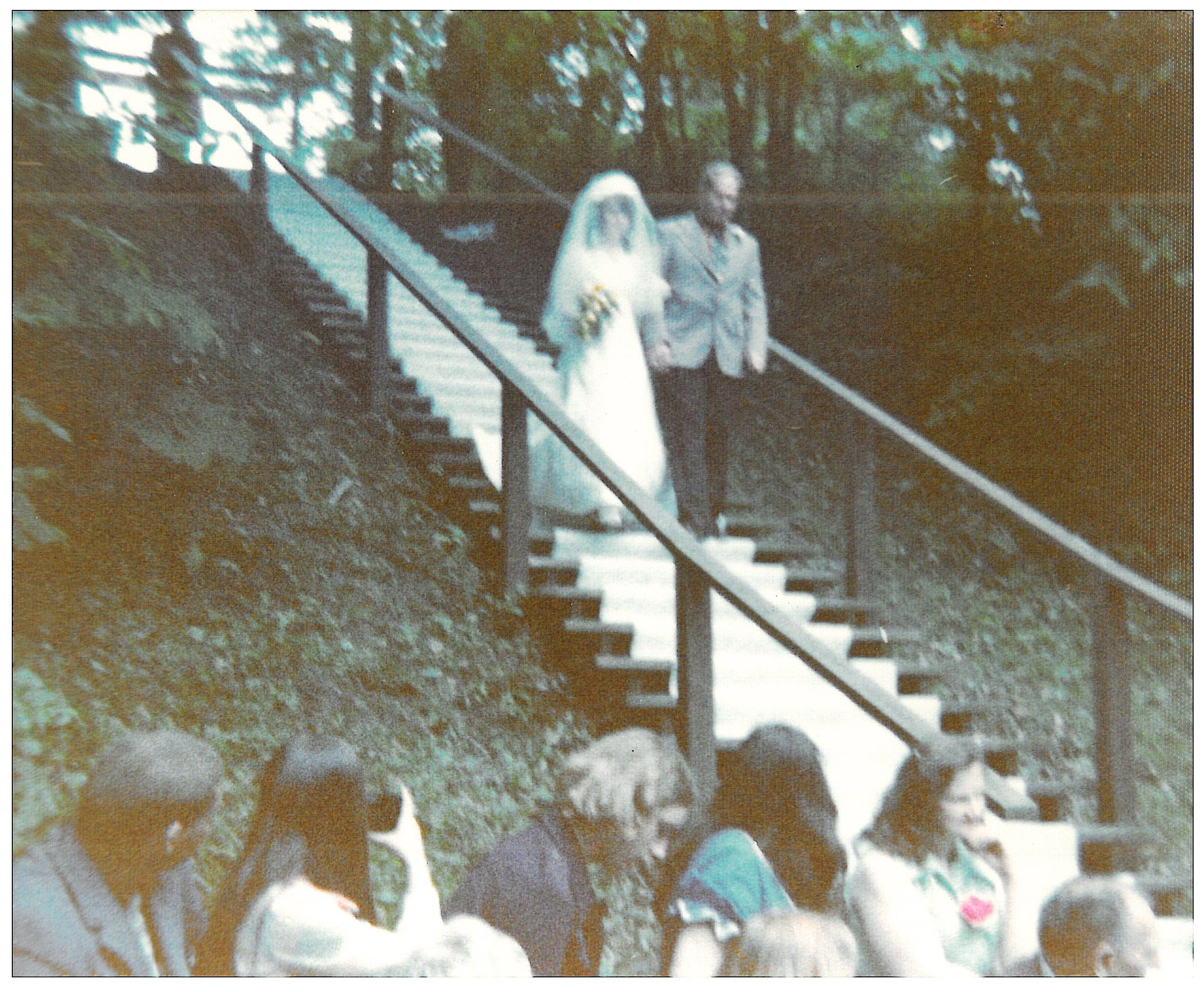
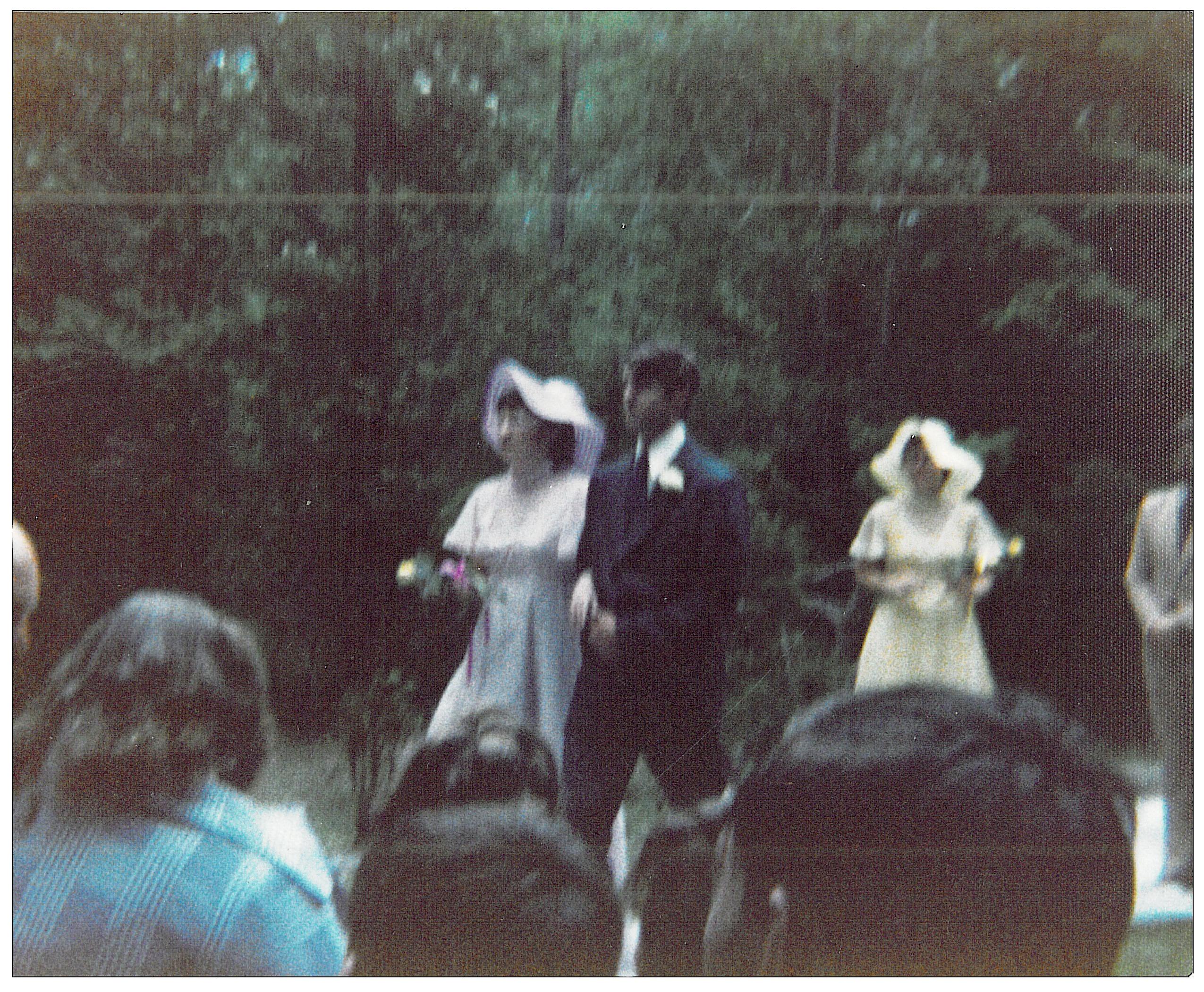
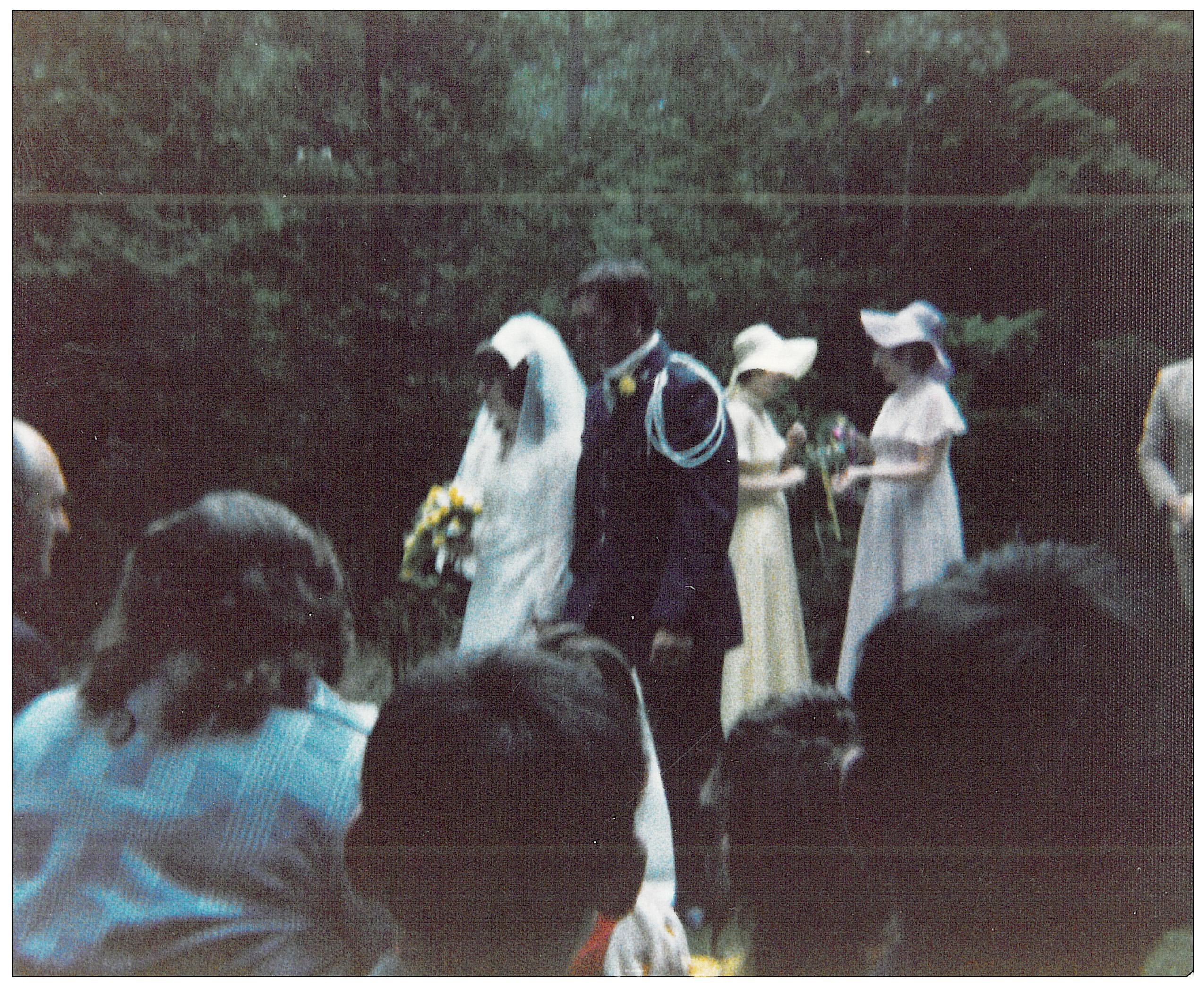
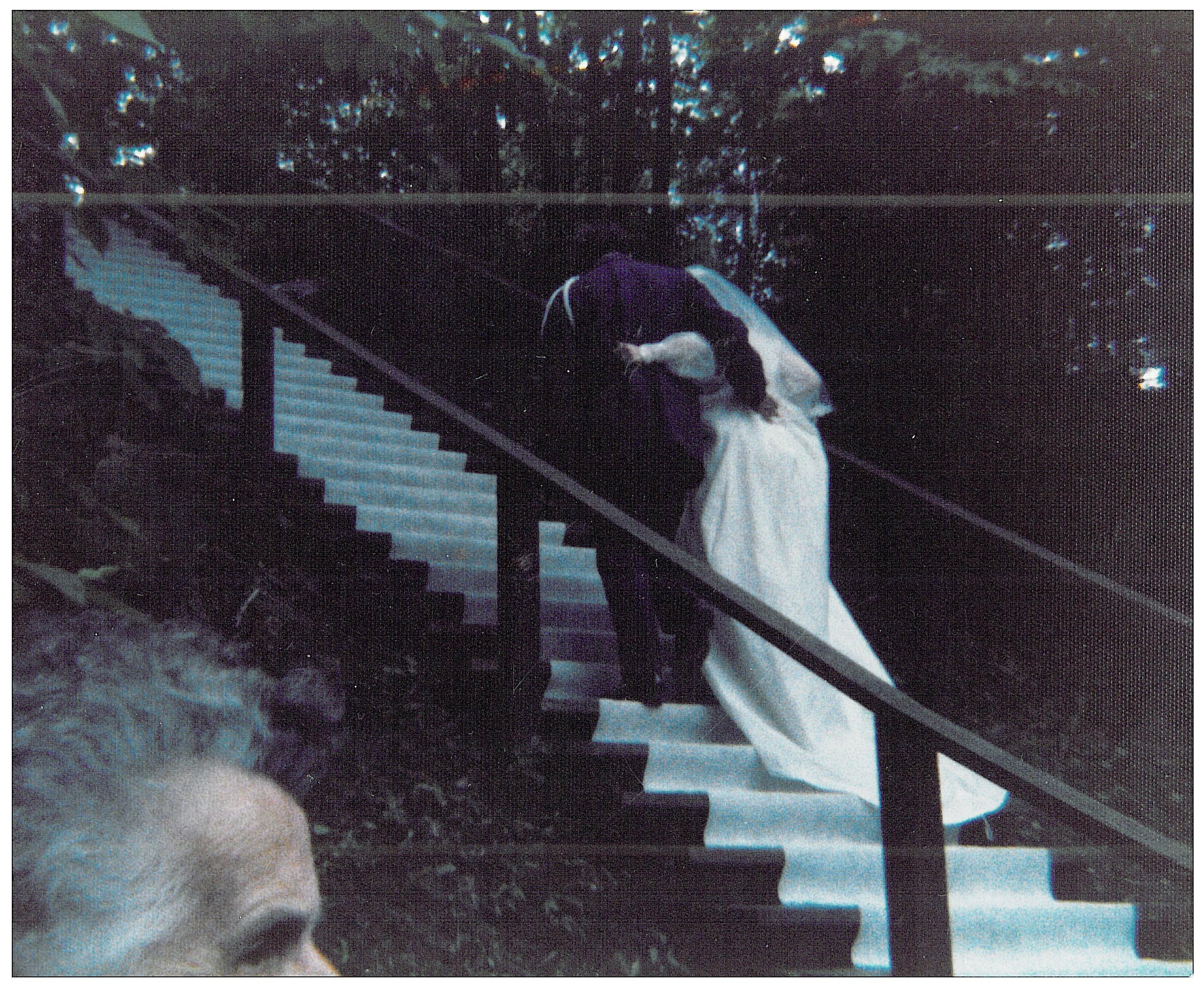
It is definitely a wedding at the Babcock Chapel, but whose and when?

This slideshow requires JavaScript.

Posted in Historic, Whatisit Wednesdays? | Leave a comment

#42) Pedersen Lodge Dedicated-1974

August 6, 1971 “the Camp Inspection at Camp Babcock-Hovey was interrupted for five minutes for a memorial silence in memory of Rusty Pedersen of Waterloo, who was killed in a boating accident on Seneca Lake. Rusty had been in camp the week prior to his death, and was well known by many of the staff.”

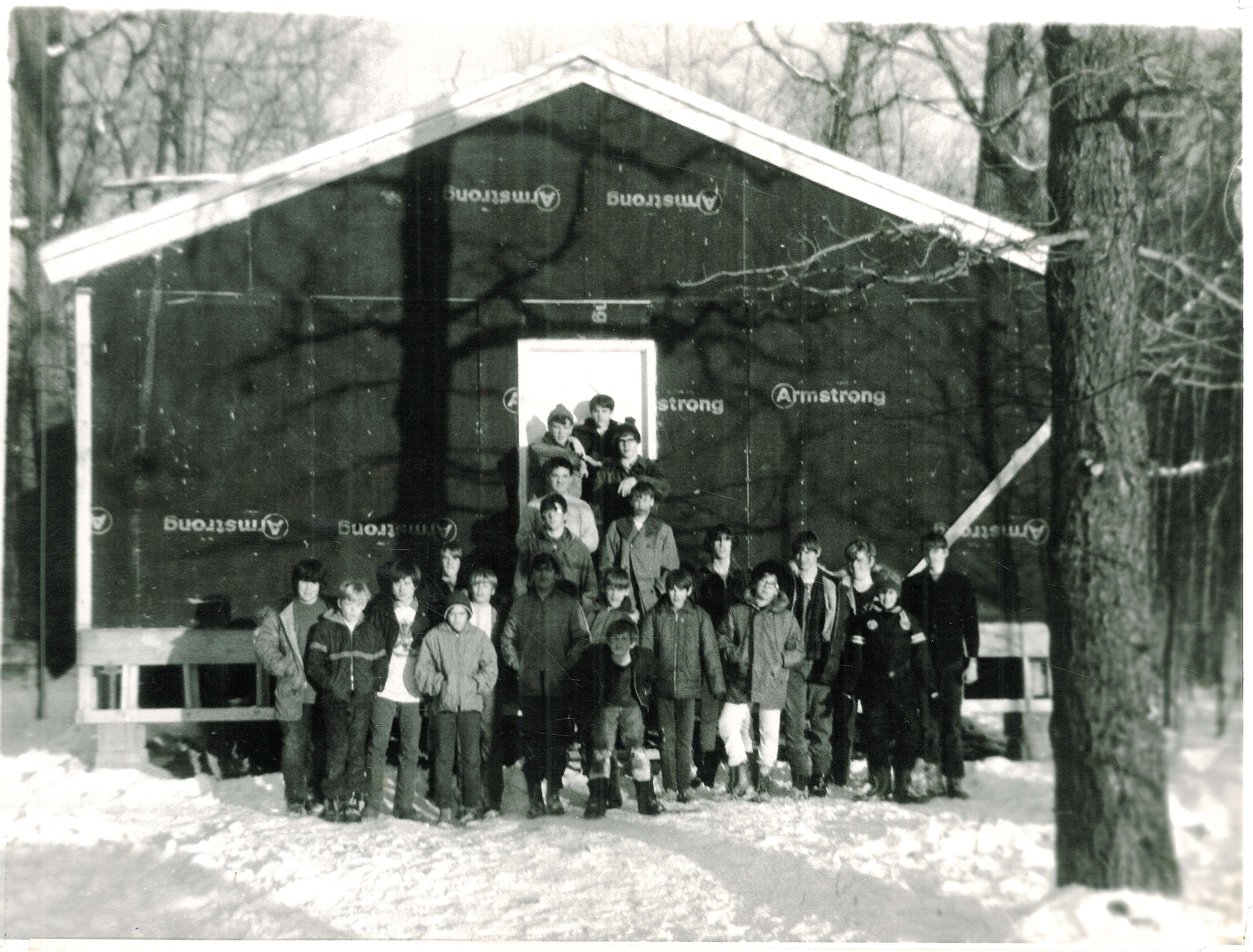
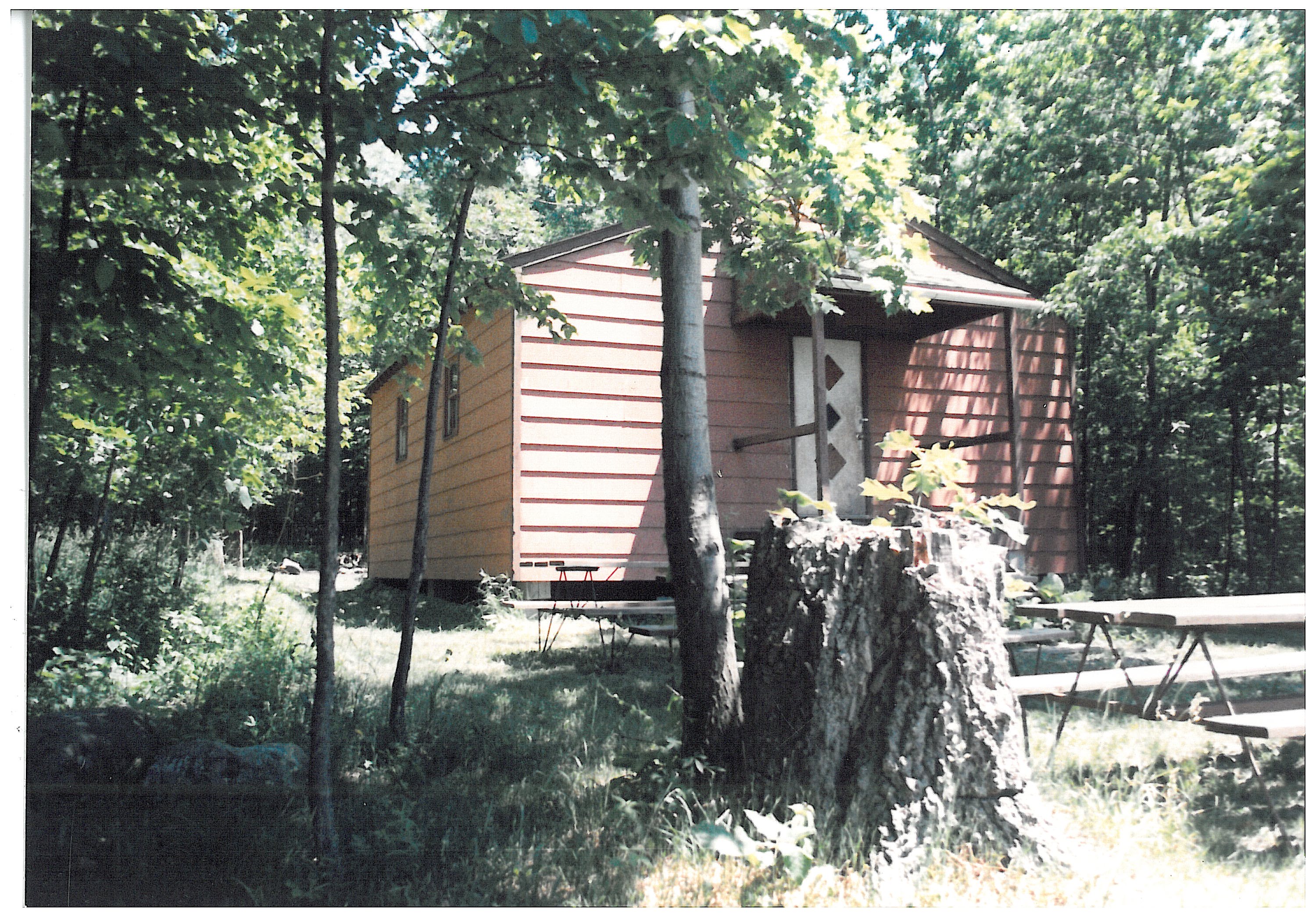
The impact of Rusty’s death did not end there, over the next few years Troop 81 of Waterloo NY raised funds and obtained supplies to build a cabin at Camp Babcock-Hovey in honor of “Rusty” Pedersen. Troop 81 was the first Troop to stay in Pedersen Lodge in 1973.

Pedersen Lodge was officially dedicated in 1974, as reported in the Finger Lakes Times-

“Scout Troop 81 officially opened the “Rusty Pedersen Memorial Lodge” last Friday with a dedication. Mrs.  Dolores Pederson, Rusty’s mother, and many members of the First Presbyterian Church of Waterloo were present at the unveiling of the plaque over the door of the 20 by 40 foot building.’

Rusty, killed in a boat accident with his father, on Seneca Lake about three years ago, was a member of Troop 81. He was scheduled to be at Camp Babcock Hovey the day after he was killed in the boating accident, to work towards his Eagle Scout award. He had received his Life Scout award shortly before he died.

Bob Getz, Scoutmaster of Troop 81, had often dreamed of a building at the camp for winter camping. After Rusty’s death he stopped dreaming and began planning the lodge. The boys of the troop were enthusiastic over the idea. Bob and David Prosser, a committeeman of the troop, approached the members of the Presbyterian Church for help in financing the cost of the building.

The church was more than willing to help, according to Scouts. Many needed items were donated or sold at cost by local lumber yards and hardware stores. Getz, a master carpenter by trade, designed the building. The entire project was made, nail by nail and board by board, by the boys and men of Troop 81.

The 20 by 40 foot building can sleep more than 20 boys and men at a time and has heat and lights. It was built in a grove of trees facing the large field on the south side of the camp, overlooking Seneca Lake.

According to Getz, many deer crossed the field while they were working on the building. The place was tested by the boys last winter and early this spring. Tom Reynolds, Scout administrator, commended the men, young and old, who remembered their friend in a way that can benefit hundreds of boys for many years to come.”

Newspaper articles-

1971.08.06 Moment of silence for Rusty Pedersen

1974.07.24 Pedersen Memorial Lodge Dedicated

Posted in Historic | Leave a comment

#41) The 1970’s

This slideshow requires JavaScript.

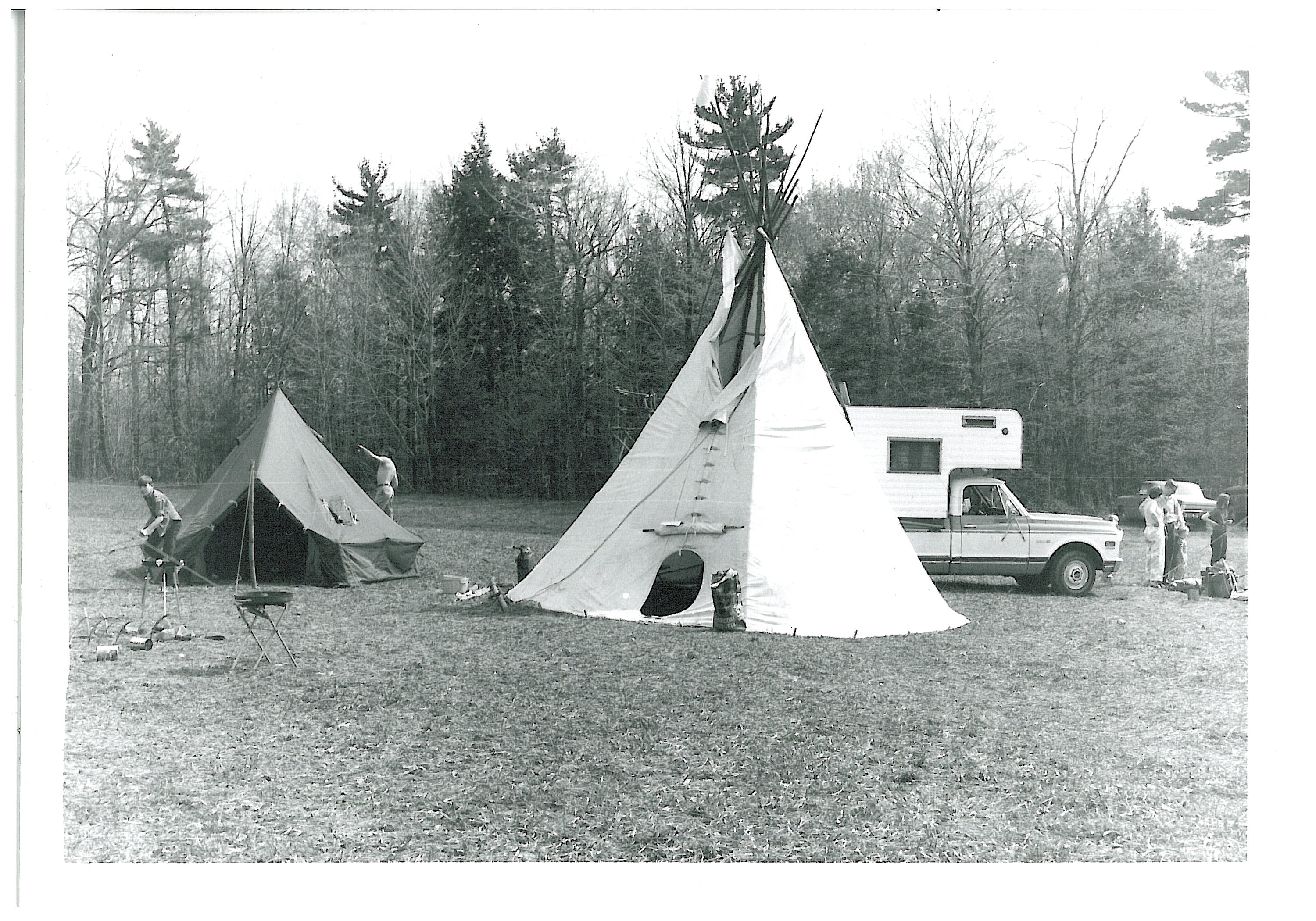
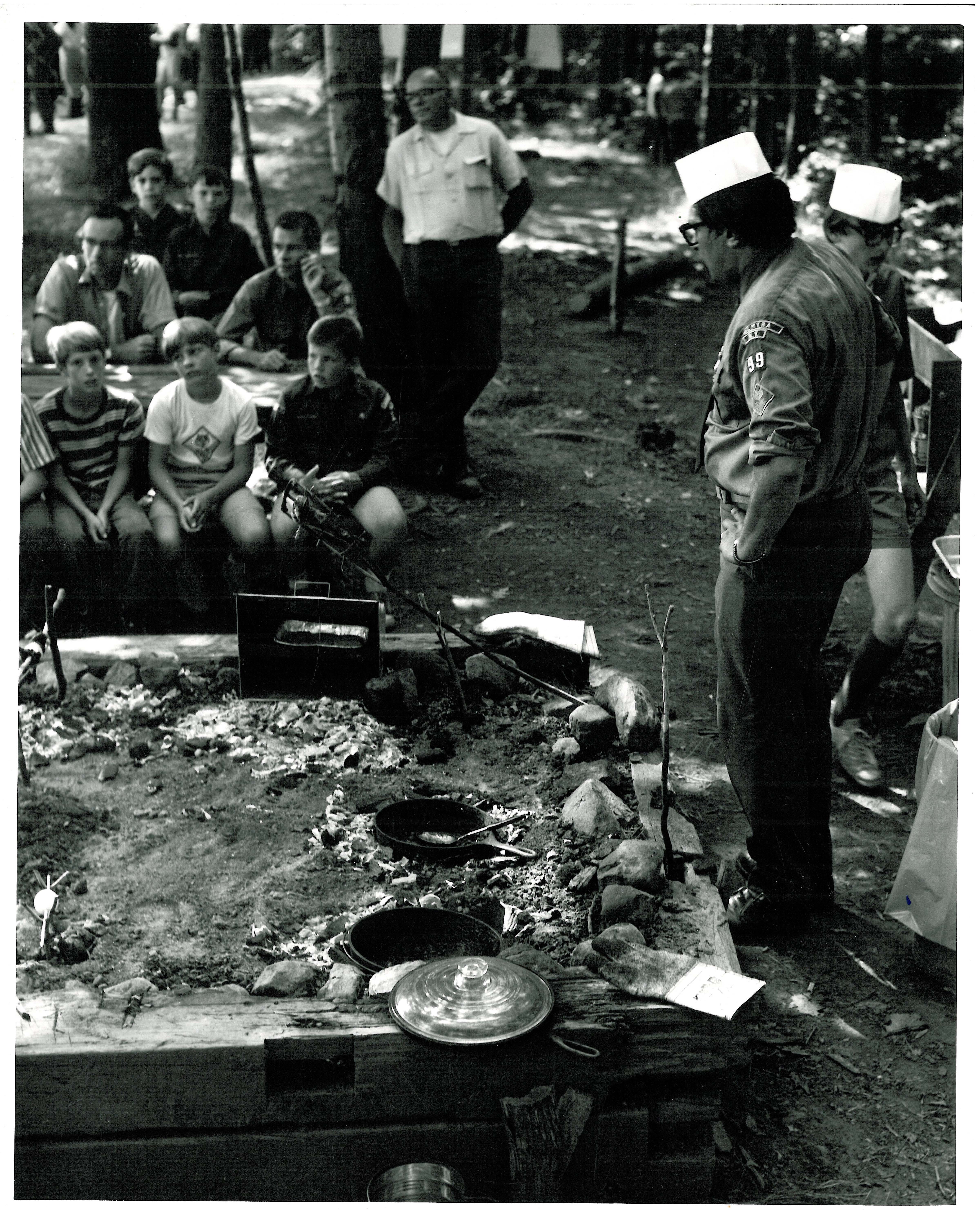
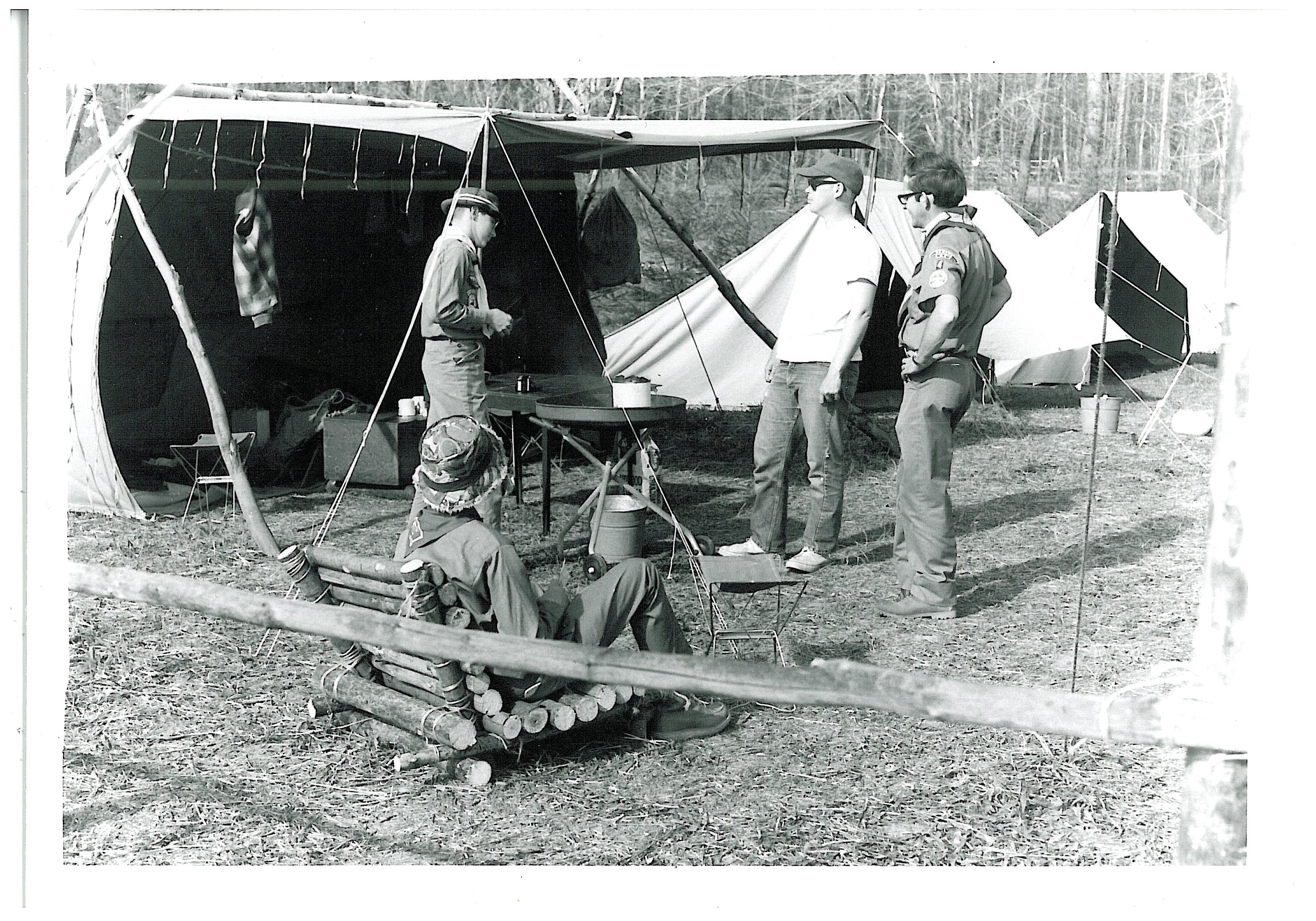
The 1970’s were a slow period of development at camp. In 1971, the Army Corps of Engineers built the first bridge over the south ravine. This bridge only lasted for three years. No pictures are known to exist of this bridge (If any one has any we would be delighted to scan them). Pedersen Lodge was constructed in 1972 by Troop 81 in Waterloo, NY in memory of “Rusty“ Pedersen. Troop 81 was the first Troop to camp in Pedersen Lodge in Feb of 1973. Shenandoah Shelter (Trading Post 2012) was also constructed in the late 1970’s. The early 1970’s also saw the largest Scout attendance in camp, over 1,000 campers in a season.

Posted in Historic | 3 Comments