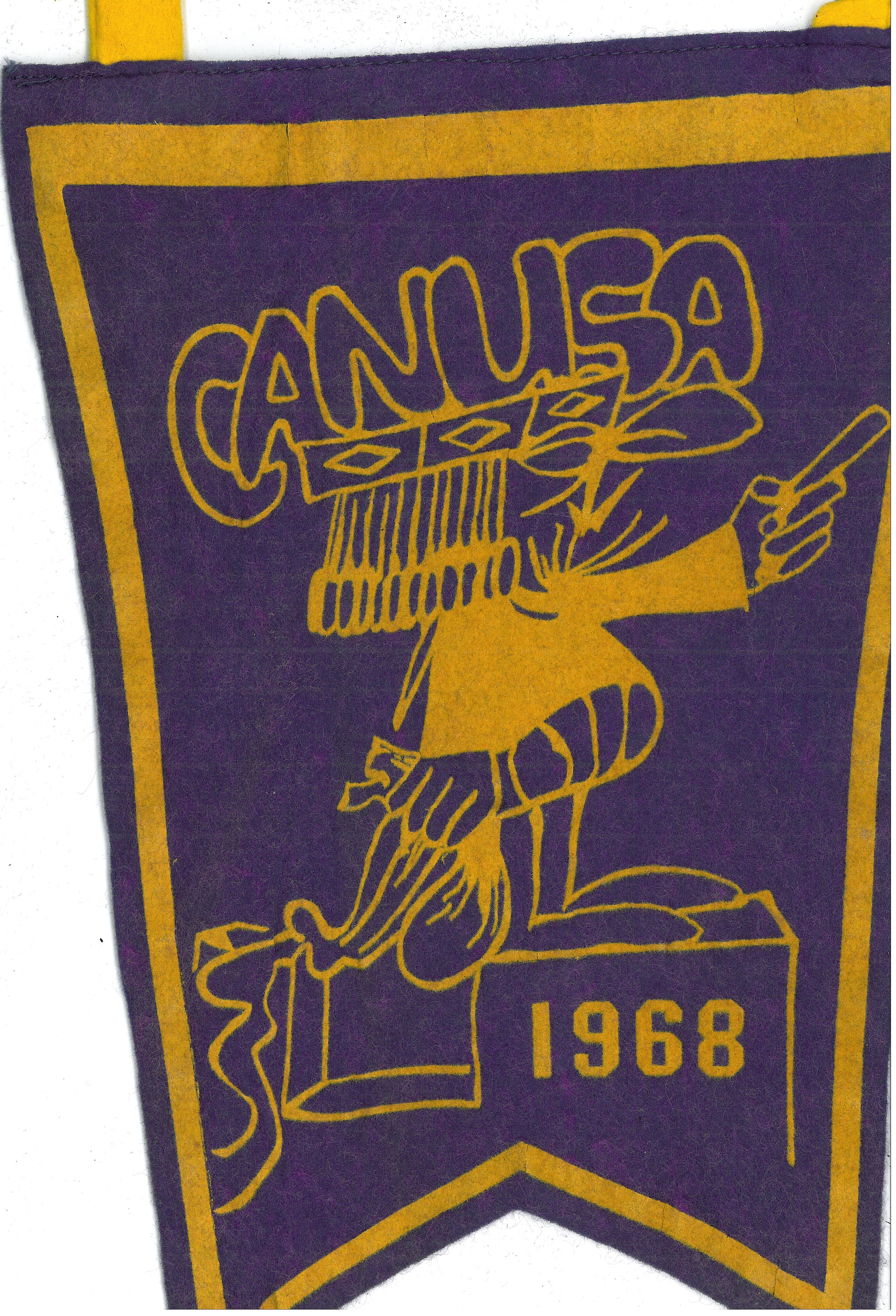
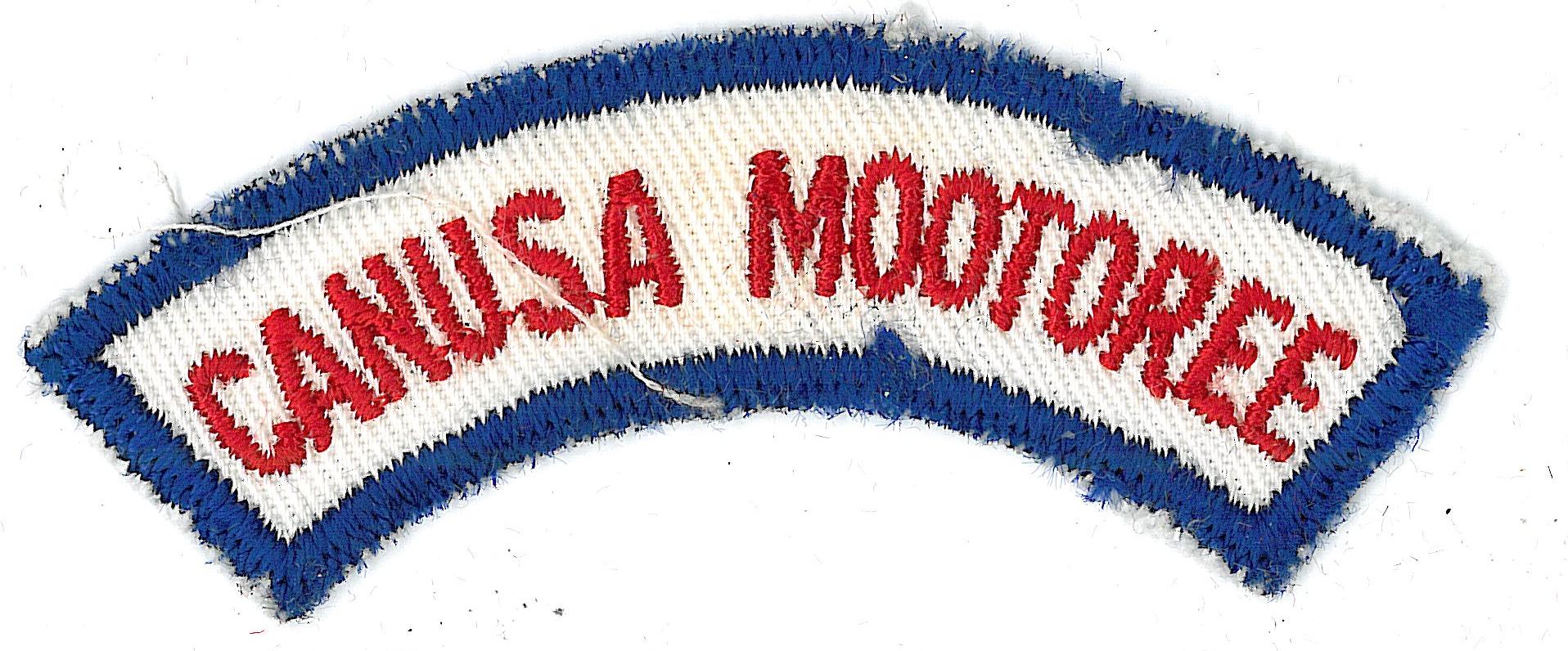
The writers of this blog know very little about the CANUSA Mootore’s except that it began in 1959 at Camp Babcock-Hovey and alternated between Camp Babcock-Hovey and Canada and continued until 1972. We believe the main camporee field was used, but do not have much more info than that. Scans of the pennants that were in the museum are attached. To those of you out there old enough to know. What was the CANUSA Mootore?




#32) Camp Onseyawa started in 1956
 In the spring of 1955 a spunky little girl by the name of Gail Rietman insisted that she be allowed to go to camp with her twin sister. Camp authorities refused to accept Gail because she had Spina Bifida. Walt, her father, approached Paul Vogt, president of the Geneva Rotary Club and asked if he knew of any camp that would admit Gail — and thus the seed was planted.
Paul Vogt, the outgoing president, liked the idea of an area camp for the physically handicapped and turned the idea and task over to the president – elect, Neil Marvin. When Neil took office, he appointed Robert Maney to chair a committee to investigate the need and to sound out opinion for the organization of such a camp. They soon realized that the task was too great for one club and turned to the clubs in neighboring counties. In 1956, the local Rotary clubs held the first summer camp for handicap youth at Camp Babcock-Hovey. It was originally called the Rotary Camp for Handicapped Children.
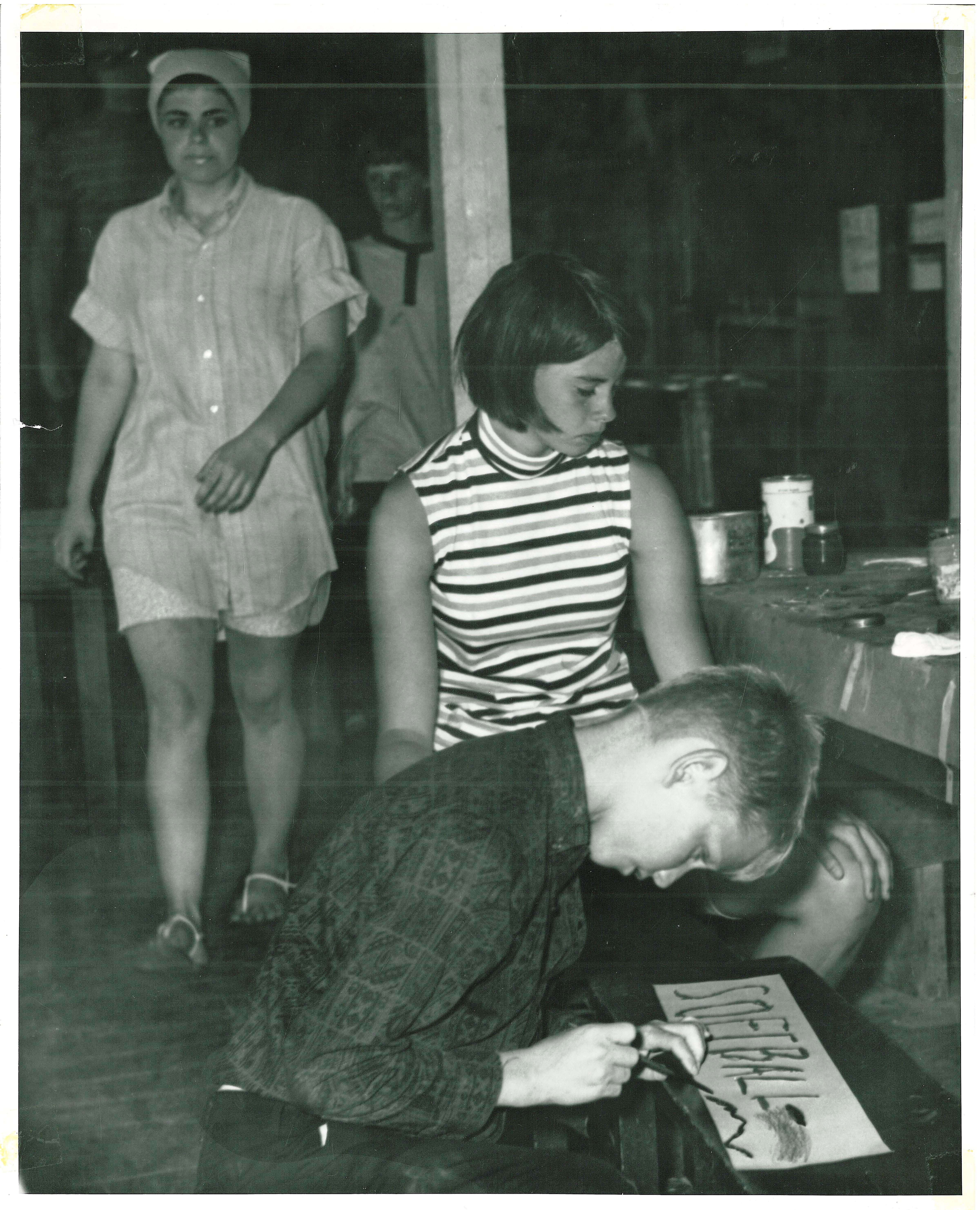
One of the Rotary Camp objectives is to help these handicapped children realize that they should and can serve a useful purpose in life by utilizing their various and individual talents. Though handicapped they can strengthen their strong points, so that may can fit into a normal community life, it has been discovered in this type of project that that individuals tend to become more helpful, more outgiving more social conscious – finding that more people are interested in them as individuals.
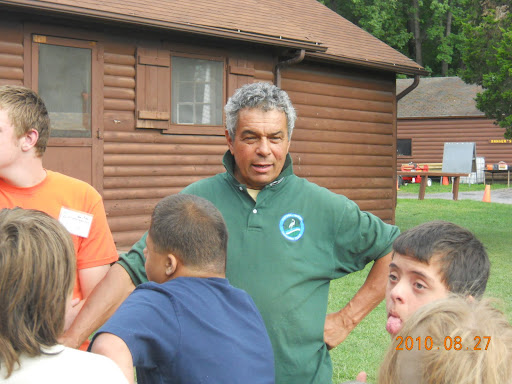
33 handicapped children were accommodated in the first year camp. Boy Scout Executive Edmond T. Hesser served as the camp director for at least the first nine years. During the early years, fleets of boats would descend upon camp to take all campers out on an annual fishing boat tour.
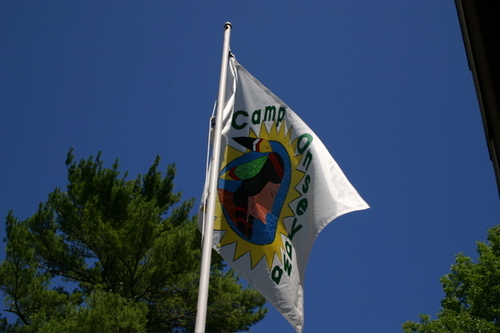
Rotary’s Camp for Handicapped Children on Seneca Lake was renamed in 1968 and became known as Camp Onseyawa, Land of Happiness. While the name is characteristically Indian in sound, it is actually derived from the first two letters of each county in the four county area from which it receives its support; ONtario, SEneca, YAtes, WAyne. An emblem portraying an Indian head and incorporating the new name was also designed to be used in conjunction with the new name.
Over the years many fundraiser have been sponsored by the rotary to raise funds for Camp Onseyawa. This include but are not limited to easter seals sales, carp fishing tournament, golf tournaments, pancake breakfasts, radio-thons, hike-a-thons, and bike-a-thons.
The relationship between camp Onseyawa and Camp Babcock-Hovey has been one of mutual benefit over the years. Onseyawa and the local area Rotary Clubs have helped pay in part the cost of installing the pool at camp and have helped pay part of the two renovations since. Additionally the South Shower House was built with help by the local Rotary Clubs.

Below is only a sampling of current newspaper articles in hand-
1956.02.10 Clifton Springs Rotary on board for handicapped camp
1956.07.12 Rotary clubs team up to aid handicapped
1957.08.14 Rotary Camp Starts second year
1964.07.16 Scout executive serves as camp director again
1968.05.26 Rotary announces name change for Camp ONSEYAWA
1973.02.22 Radiothon sets record
1975.08.14 Campers ready for camp
1975.08.30 Camp comes to an end
1978.08.18 Campers attend carnival
1978.09.15 Camp closes for another year
1979.12.11 campers invited to christmas party
1980.07.03 Article about Neil Marvin founder of ONSEYAWA
Whatisit Wed?
It is Whatisit Wed? We have an idea on what this is, however we want to confirm it before we add it to any folder. We believe this to be from the 1950’s but it is a little too feminine for Boy Scout Camp we believe. We ask you Whatisit?

Posted in Historic, Whatisit Wednesdays?
4 Comments
#31) Camps 20th year and the donation of the Nature Shelter
Camps 20th year was 1957 and this was also the year that the Geneva Kiwanis donated the nature shelter (Current 2012) to Camp Babcock Hovey. It wasn’t until 1959 that the shelter was dedicated and the reporters even reported the wrong year on the plague. Here is a picture of the plaque and a copy of the newspaper articles. The dedication article is also copied below. This served as the Nature area from 1957 through the early 1990’s (help needed on exact date) when the lento (NAC 2012) was built across from Archery and Nature moved to that location. However at the end of the summer of 2010 NAC and Nature switched places and Nature moved back to the Nature Shelter. In recent years, during the winter the Nature Lodge is normally the storage location for equipment for the camp ranger. During the winter of 2012 a wall was added to the Nature Shelter to aid in year round storage of items.

Newspaper Articles in PDF-
1959.08.12 – Nature lodge to be dedicated
1959.08.13 – Nature lodge is dedicated
From the above Finger Lakes Times Newspaper artivle August 13th 1959
The nature lodge at Camp the Geneva Kiwanis Club, was officially dedicated last night (August 12th, 1959) by representatives of Finger Lakes Council Boy Scouts of America and the Kiwanis Club.
The nature lodge is the center of the nature study and conservation area used by the Scouts and others at camp. Camp Director John F. Connor Jr., introduced Scout executive
Edmond T. Hester, who gave a brief explanation as to how the Geneva Kiwanis Club became interested in the opportunity of providing a nature lodge at Camp Babcock Hovey for the boys of Finger Lakes Council.
Mr. Hesser introduced Alfred J. Freisem past lieutenant governor of the Kiwanis Club of this area, who presented the building to the Finger Lakes Council from the Kiwanis Club.
He read the bronze plaque which stated: “Nature Lodge constructed and presented by Kiwanis Club of Geneva, 1958, to help the boy keep physically strong, mentally awake, and morally straight.”
Camping chairman John M. Taggart accepted the building on behalf of the Finger Lakes Council Boy Scouts of America. Council President W. Neil Marvin concluded the program by ex pressing to the Scouts and friends of scouting, the appreciation that was due the multitude of people in the Finger Lakes Council area who have made the physical facilities of c a m p i n g possible through their interest in the development of Camp Babcock-Hovey.
In addition to the guests present, Scouts from the following units and communities witnessed the ceremony: Troop 25, Dundee; Troop 137, Marion; Troop 30, of Canandaigua; Troop 110, Wolcott; Troop 37, Bristol Springs; Troop 83, Gorham; Troop 19, Lakemont; and Troop 82 of Dresden. This is the concluding -week of Scout camp’s summer season with the largest attendance recorded at the camp in any one week. A total of 225 Scouts and staff members are participating.

#30) Camp Map from the 1950’s
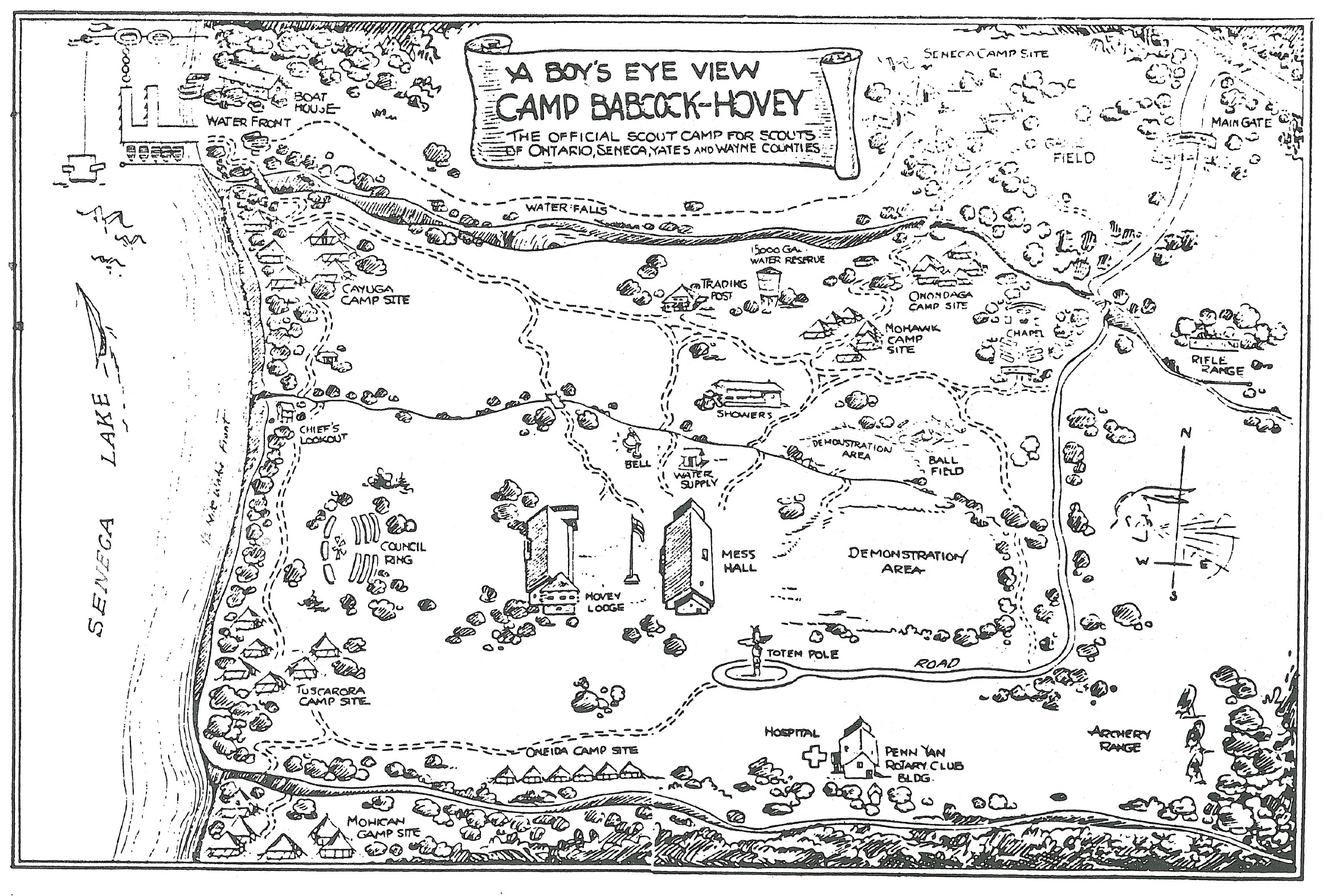 We believe this to be a camp map from the 1950’s and closer to 1951/1952. Notice that it does not show the Ranger’s House (Current 2012) that was built in 1951 (this could just be an oversight) and does not show the Nature Lodge (Current 2012) that was built in 1958. However, it does show Mohican Campsite (Sunday Night Campfire 2012) that was added in 1951 and the Camp Fire Area (Current 2012) behind old Hovey Lodge (Eagle Lodge 2012) that was added in 1952. It also does not show Lentos in Cayuga Campsite (Current 2012) and Cherokee (Current 2012) is not yet shown. These were added in 1954/1953 respectfully. So, all thing considered, our best guess is 1951/1952. Does anyone have a better guess/memory?
Posted in Historic
Leave a comment
#29) 1954 Land Swap
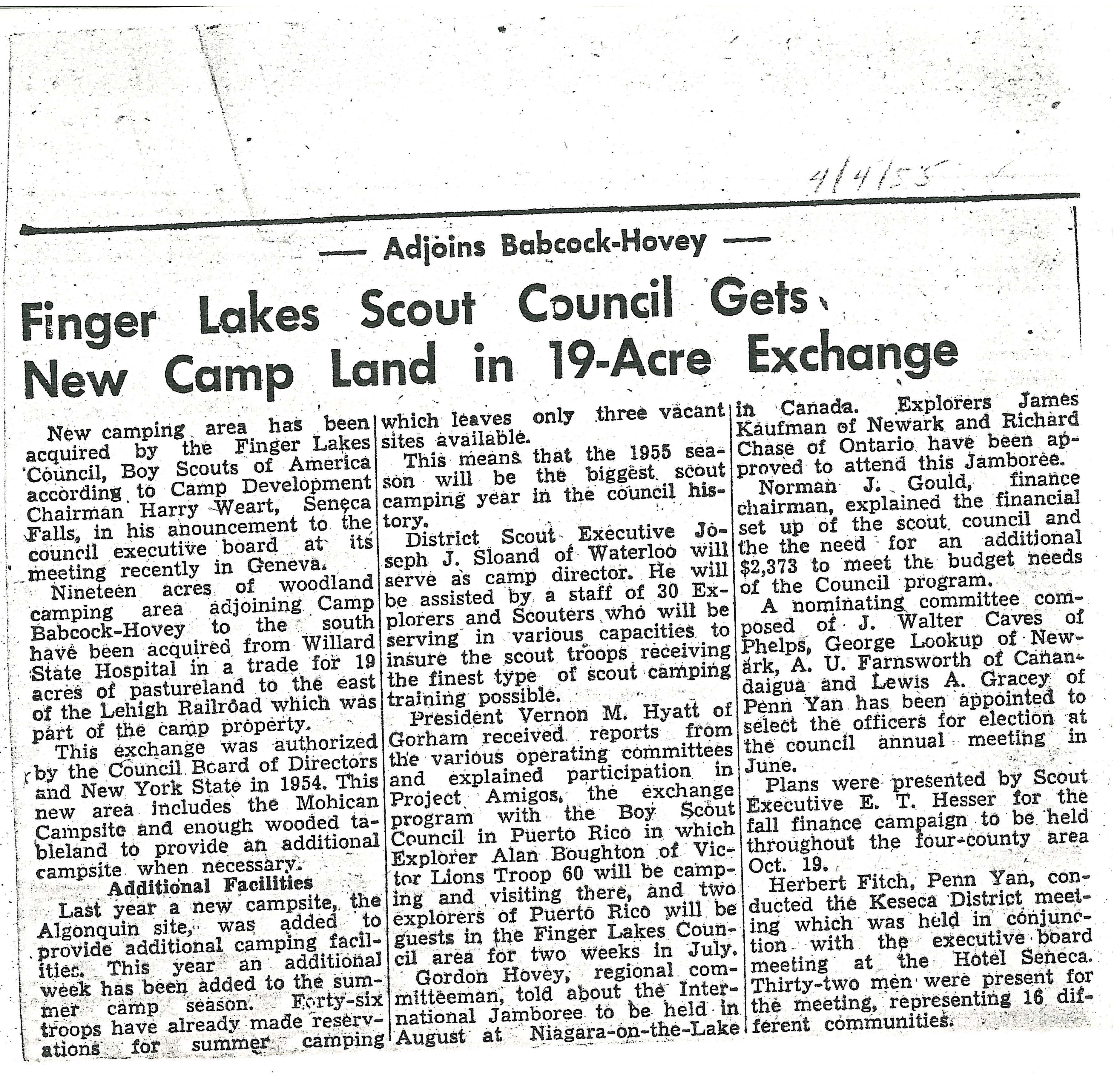
April 4, 1955 – New camping area was acquired by the Finger Lakes Council, BSA according to Camp Development Chairman Harry Weart, Seneca Falls, in his announcement to the council executive board at its meeting recently in Geneva.
Nineteen acres of woodland camping area adjoining Camp Babcock-Hovey to the south have been acquired from Willard State Hospital in a trade for 19 acres of pastureland to the east of Lehigh Railroad which was part of the camp property.
This exchange was authorized by the Council Board of Directors and New York State in 1954. This new area includes the Mohican Campsite (Sunday Night Campfire 2012) and enough wooded tableland to provide an additional campsite when necessary.
The area to the east of the railroad was considered to dangerous to access by the scouts due to the railroad and was never used by the Scouts. We are not sure the exact location the acreage came from but presumable it A) This acreage never touched the Road B) Was east of the old railroad bed C) The northern boundary was no more north than the current Camp Entrance. D) The southern boundary was no more south than the ravine next to Pooler’s Pond (2012).
Posted in Historic
Leave a comment
Whatisit Wed?
Instead of pictures this Wed, I have a video that I would like to figure out what it is. We are thinking it is from the 1930-1950 timeframe and I think it is a Scoutshow, maybe in Canandaigua. It may be Finger Lakes Council or it may be the Rochester Council (You can see the Camp Pioneer truck in the background). This was on the same reel as the Camp Babcock-Hovey video posted the other day. However it is definitely not camp, the buildings in the background don’t match. So we ask you Scouters, Whatisit?
Posted in Historic, Whatisit Wednesdays?
2 Comments
#28 Vernon James Brown
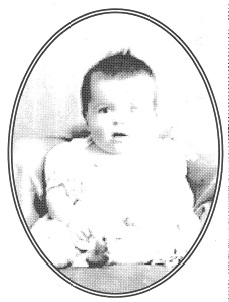
Vernon James Brown was born on August 22, 1897 in Crittendon, NY, a small town near Buffalo. He joined his father and mother Albert and Lydia Edwards Brown, and his older brother and sister, Claude and Mina. Fourteen years later his brother Leroy would join the family who had moved to the family farm at Port Byron when Vern was five.
Vern began school at the “Old Yellow Schoolhouse” which was one half mile down the road from the farm. When he entered high school at Port Byron he had to walk three miles each way in fair and foul weather, in sunshine and snow and to hear him tell it “All Uphill”. In order to earn some money he began to run a trap line at the age of 8 or 9. His uncle John was a professional trapper and became Vern’s mentor. At age 17 Vern decided to leave school and went to Auburn to find work. World War I broke out and he tried to follow his older brother Claude into the service but was turned down for physical reasons even though he returned several times to try again.
He married Grace Griswold of Syracuse in 1919 and went to Detroit to find work. Their daughter Catherine (Kay to the family), was born on Feb, 13, 1920. We’re not sure exactly when but one day Vern walked into the comptroller’s office at Detroit Gas Co., without an appointment no less, and told the comptroller he was looking for work. The comptroller was so impressed with the young man that he took him to lunch, hired him on the spot, and put him to work the next morning in the bookkeeping department.
Now Vern did not know much about bookkeeping but he knew he had a good mind and was capable of learning so he learned a lot by day and figured a lot out by night. Throughout the next twenty-five years he traveled through every department at the gas company until he retired as the comptroller in 1945.
He spent the next five years back in New York taking care of his ailing mother. While he was attending to her needs he had time to spend summers with his brother Leroy at Camp Babcock-Hovey. By July of 1951 he was filing the position of Camp Ranger at Camp Babcock-Hovey. He enjoyed camp life, working out of doors, hunting rabbits and pheasants, keeping grapevines out of the trees, trimming the trees along the road and handling all the local general maintenance that can keep a good ranger busy.
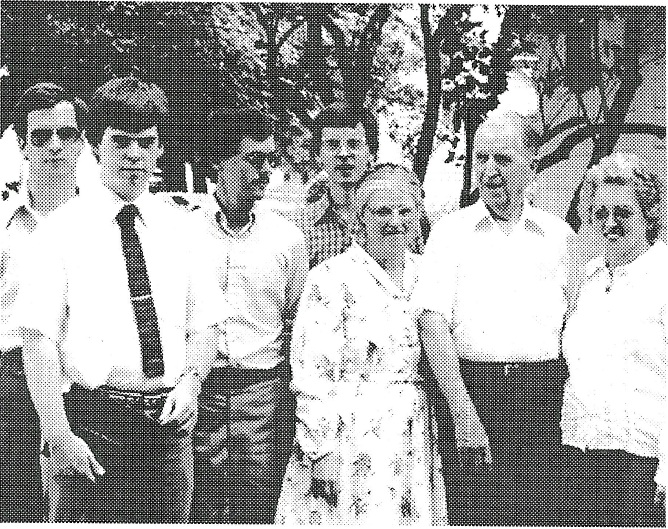
Since his first wife had passed away Vern decided the next best step he could take was to set his cap for the cute little camp cook, Esther Gage, who kept coming back to cook each summer. His persistence paid off and they were married on Oct. 16, 1954. They both agree that the next years of their lives have been the best and happiest of their lives. Albert, Earl, Neil and Lloyd rounded out this family in quick succession over the next 10 years.
Retirement came in 1967 at age 70 even though he remained on the camp staff and helped his replacement for the next 10 years. The Browns moved down the road a mile and settled in the hamlet of Willard where a continuous “barn sale” and a splendid garden took up his slack time.
God blessed Vern with over 100 years of like with life’s usual ups and downs but Vern has always weathered the storms with a positive approach. If you asked him to reveal the secret of his long life today, he would direct your attention to 1899 when he was two years of age and deathly sick with scarlet fever. So sick, in fact, that the priest had given him last rites. In his wisdom, the old country doctor told Vern’s Mother that if he did not die he would never be sick and would live a long life. The doctor was right.
Vern died Jan 5, 2001 at his home just north of camp (7024 County Road 132A, Ovid NY). At the time of his death he was survived by his wife, Esther; sons, Albert, Earl, Neil (Olga), and Lloyd (Bonnie): and daughter, Catherine Lane.
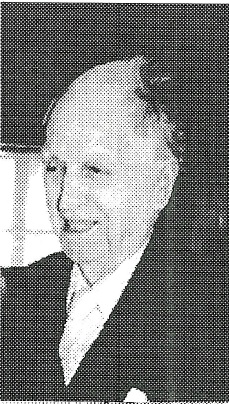
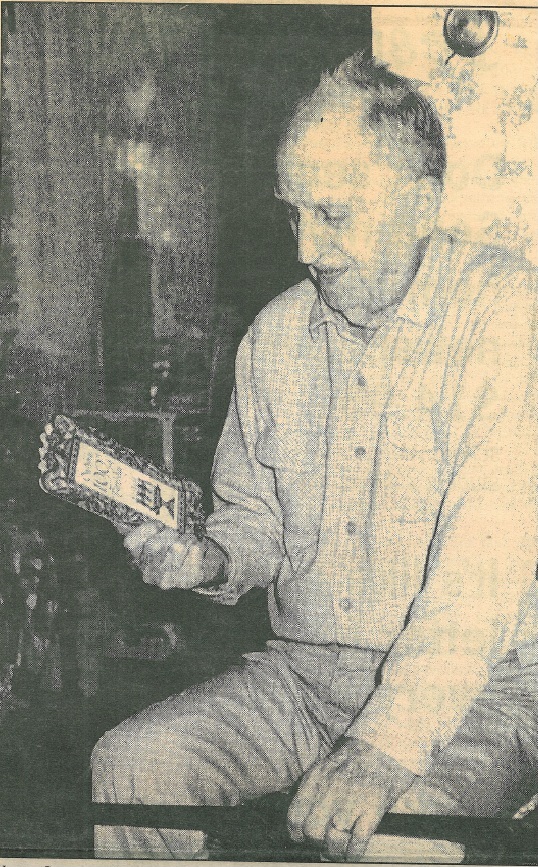
Article in newspaper about Vern’s 100th B-day


Posted in Historic
3 Comments
#27 Video treat from the 1940’s
This video is from the late 1940’s but before Hovey Lodge was built in 1948. Enjoy!
Posted in Historic
Leave a comment
E. Urner Goodman
Remember when we showed that James E. West was only three degrees of separation away from us? Well here is another proof that the theory of six degrees of separation is true? This 1936 brochure shows that E. Urner Goodman visited Finger Lakes Council just prior to the Opening of Camp Babcock Hovey. Think of this. E. Urner Goodman shook hands with Judge Lapham -> Judge Lapham shook hands with Skip -> And Skip shook hands with most of you. That’s only three degrees of separation. Four at most if you never shook hands with Skip. Interesting! I wonder if E. Urner Goodman had any role in the selections of an adequate property to meet the camp needs of Finger Lakes Council during the transition from Camp Tarion to Camp Babcock Hovey?

 PDF – 1936 banquet with Goodman
Posted in Historic
Leave a comment

 Babcock-Hovey Alumni Association